
Magnetic Locator Price and Comparison Guide
This report compares the five Schonstedt magnetic locators on Locator Guys’ site, Maggie, Spot, GA‑52Cx, GA‑72Cd, GA‑92XTd, across key attributes: detection method, sensitivity, depth, targets, coil size, weight, power, display, logging/GPS, ruggedness/IP rating, warranty, price, and use cases. A comparison table summarizes their specs. Manufacturer data supplements any missing details. We also give succinct recommendations for three buyer profiles (utility locator, municipal/public works, occasional contractor).
What Is a Magnetic Locator & What Affects Price
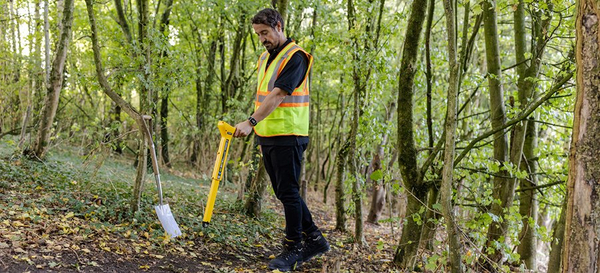
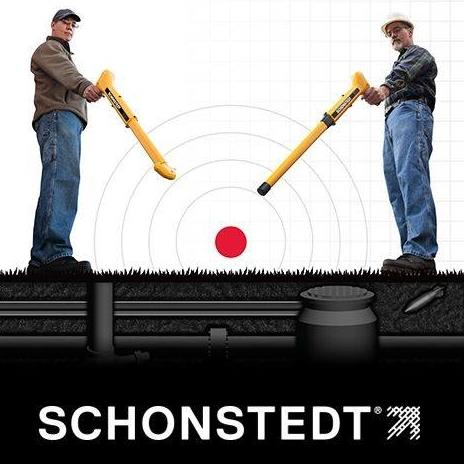
A magnetic locator is a handheld device that detects buried ferrous (iron/steel) objects by sensing disturbances in the earth’s magnetic field. Unlike conventional metal detectors, magnetic locators ignore non-ferrous metals (copper, aluminum), so they don’t false-trigger on scrap, and they excel at finding ferrous targets under pipes, concrete, water, or snow. Typical targets include manhole covers, valve box lids, rebar, well casings, and other iron markers. Magnetic locators emit an audio tone (often rising in pitch near a target), and some include visual bars or displays of signal strength.
Price is driven by several factors: sensitivity/depth (more sensitive units with deeper range cost more), build quality/durability (waterproofing, rugged construction, long warranties add cost), and features (digital displays, data-logging outputs, ergonomic designs). For example, premium Schonstedt models (GA‑52Cx, GA‑72Cd) use patented HeliFlux sensors for maximum depth and have robust housings, which makes them more expensive than the simpler Spot or Maggie units. Units rated for full immersion (deep waterproofing) are pricier than mere splash-resistant models. In short, deeper-reaching, feature-rich magnetic locators carry higher price tags, while basic models offer budget-friendly options.
Magnetic Locator Price Ranges
Locator Guys’ Schonstedt magnetic locators span roughly $1,100 to $1,500 (USD). For instance, as of early 2026, the Spot is ~$1,169, Maggie ~$1,255, GA‑52Cx ~$1,301, GA‑92XTd ~$1,375, and GA‑72Cd ~$1,473. All have seven-year warranties and include carrying cases. Below is a detailed comparison table (prices as listed) and features of each model:
| Model | Sensitivity / Range | Max Depth (Typical) | Primary Ferrous Targets | Coil (Sensor Spacing) | Weight | Power (Battery) | Display / Interface | Logging / GPS | IP Rating / Ruggedness | Warranty | Price (USD) |
|---|---|---|---|---|---|---|---|---|---|---|---|
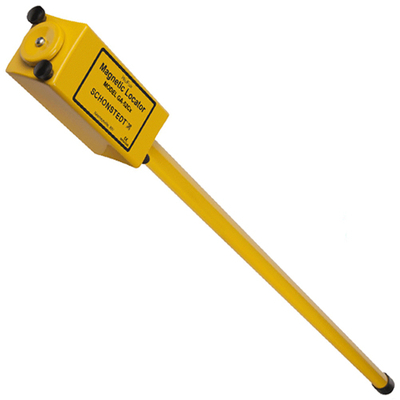
| Schonstedt GA-52Cx | Very high (5 gain levels) | Up to ~18 ft (5.5 m) | Manhole lids, valve covers, survey stakes, rebar | 20" (50.8 cm) | ~2.5 lb | 2×9 V (≈40 h) | Audio-only (40 Hz idle tone) | None | Waterproof tip 34.5" (dust/splash resistant) | 7 yr | ~$1,301 |
| Schonstedt GA-72Cd | Very high (4 gain levels) | ~15–18 ft (4.6–5.5 m) | Iron pipes, UXO, manholes, valve boxes | 14" (35.6 cm) | ~2.5 lb | 2×9 V (≈40 h) | Audio + 3-digit LCD (polarity/strength bar) | Analog out (logging) | 21" waterproof tip (ABS/polycarbonate) | 7 yr | ~$1,473 |
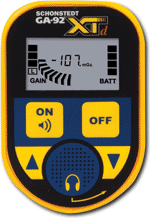
| Schonstedt GA-92XTd | High (4 gain levels) | ~13–16 ft (object-dependent) | Pipes, markers, manholes, valve boxes | 9.5" (24 cm) | ~2.4 lb | 1×9 V (≈24 h) | Audio + LCD bar graph (polarity) | None | IP54 (dust/splash resistant) | 7 yr | ~$1,375 |
| Schonstedt Maggie | Very high (continuous gain) | Up to ~18 ft (5.5 m) | Survey pins, valves, manholes, UXO | 20" (50 cm) | ~2.6 lb | 1×9 V (≈24 h) | Audio + LED bar graph (4-segment battery LCD) | None | IP54 (dust/splash resistant) | 7 yr | ~$1,255 |
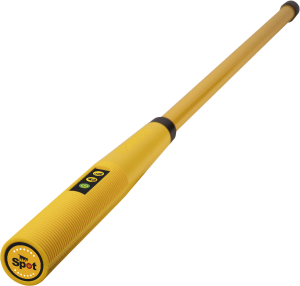
| Schonstedt Spot | High (5 gain levels) | Up to ~18 ft (5.5 m) | Survey pins, manhole & valve box covers | 20" (50 cm) | ~2.0 lb | 1×9 V (≈24 h) | Audio only (30–4000 Hz tone) | None | IP54 (27" waterproof tip) | 7 yr | ~$1,169 |
Understanding the Key Differences
While all five Schonstedt magnetic locators use the same HeliFlux® fluxgate magnetometer technology to detect ferrous metals, their real-world performance differences come down to sensitivity tuning, coil spacing, display interface, and ruggedness. Higher-end models like the GA-52Cx and GA-72Cd justify their premium pricing with deeper detection capability, refined signal control, and enhanced durability. Mid-range and entry models maintain excellent ferrous detection performance while prioritizing simplicity, lighter weight, and lower cost, making model selection largely dependent on job frequency, environment, and user preference rather than basic detection capability.
| Specification | GA-52Cx | Maggie | GA-72Cd | GA-92XTd | Spot |
|---|---|---|---|---|---|
| Detection Method | Fluxgate magnetometer (Schonstedt HeliFlux® technology) — detects ferrous (iron/steel) magnetic fields only | ||||
| Sensitivity Levels | 5 levels (Highest) | 5 levels (Highest) | 4 levels | 4 levels | 5 levels |
| Maximum Depth* | Up to 18 ft (5.5 m) | Up to 18 ft (5.5 m) | 15–18 ft | 13–16 ft | Up to 18 ft |
| Target Types | Ferrous targets only: iron pipes, well casings, cast-iron tank lids, rebar, survey markers, valve box covers, manhole lids. Does NOT detect aluminum or copper. | ||||
| Coil Size | 20″ | 20″ | 14″ | 9.5″ (telescoping) | 20″ |
| Weight | ~2.5 lb | ~2.6 lb | ~2.5 lb | ~2.4 lb | ~2.0 lb (Lightest) |
| Power | 2 × 9V (≈40 hrs) | 1 × 9V (≈24 hrs) | 2 × 9V (≈40 hrs) | 1 × 9V (≈24 hrs) | 1 × 9V (≈24 hrs) |
| Display / Interface | Audio tone only | LED bar graph + battery LEDs | Display + signal bars + polarity | Display + signal bars + polarity | Audio tone only |
| Data Logging / GPS | None | None | Analog output jack (no memory) | None | None |
| Ruggedness (IP Rating) | Waterproof tip (34.5″) | IP54 | Waterproof tip (21″) | IP54 | IP54 |
| Warranty | 7-Year Manufacturer Warranty | ||||
| Typical Price Range | ~$1,301 | ~$1,255 | ~$1,473 | ~$1,375 | ~$1,169 |
Schonstedt Models: When Is It Worth Paying More?
In essence, the GA‑52Cx/GA‑72Cd pair are the premium locators: they combine highest sensitivity and deepest reach. These justify their higher price. The GA‑72Cd also adds a digital display and logging port, which is overkill unless you need those features (e.g., UXO or defense work).
The GA‑92XTd and Spot are simpler, lower-cost units. They still use HeliFlux sensors but sacrifice a bit of depth (down to ~13–18 ft) and only audio output. The advantage is one-handed use and lighter weight. For many utility crews, the GA‑92XTd hits a sweet spot: it’s compact and gives visual feedback without commanding the top price. The Spot is the entry-level model: rigid shaft, audio-only, and submersible tip. It’s worth paying more (for, say, GA‑52Cx) only if you truly need greater depth/sensitivity or the extra display features.
Which Magnetic Locator Should You Buy?
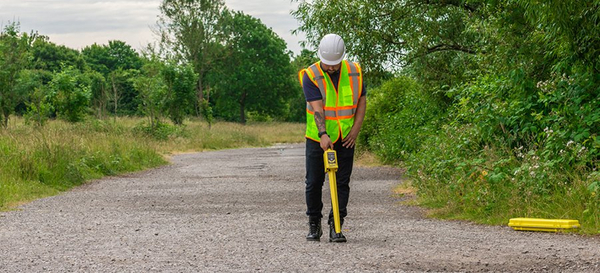
Choosing the best magnetic locator depends on your job role and typical use cases. Different industries prioritize different features. A construction crew might prioritize simplicity and ruggedness, while a utility locator may need maximum depth or waterproofing. Below, we provide tailored recommendations for a few common user profiles, along with what to look for.
For Utility Workers (Water/Gas/Electric Utilities)
Schonstedt GA-92XTd if you value depth and portability with proven durability; SubSurface ML-3 if you need full waterproofing or want to save a bit without sacrificing performance.If you work in utilities locating buried valves, curb boxes, manhole covers, or cast iron pipes, you need a magnetic locator that is rugged, high-range, and possibly waterproof. Utility locators often encounter tough conditions: mud, standing water, and deep objects. A top recommendation here is the Schonstedt GA-92XTd for its portability and depth. It can detect iron water valves and manhole lids nearly up to 16 feet underground in ideal cases, which covers most utility needs. Its one-handed operation (small form factor that extends when in use) lets you climb in and out of utility holes or maneuver around obstacles easily. However, note that the GA-92XTd is IP54: rainproof but not meant to be dunked underwater beyond the tube end. If your utility work involves frequently flooded areas (e.g., locating curb stops in ditches or underwater), consider the SubSurface ML-3 or Fisher FML-3, as both are fully submersible and designed for wet environments. They’ll handle being submerged to locate a valve at the bottom of a meter pit or a stream.
Utilities crews also appreciate loud audio and clear visuals, since you might be working near traffic or machinery. The SubSurface ML-3 is known for a loud speaker and responsive audio pitch, reportedly even louder than some Schonstedt models. Fisher’s FML-3 likewise has a strong audio output and a four-button interface that’s easy to learn. In terms of budget, utility departments often have to outfit multiple technicians, so the cost adds up. Going with a mix of Schonstedt (for lead techs) and a few lower-cost units like the Fisher FX-3 (for backup or occasional use) can be a strategy. Just ensure everyone is trained on whichever model they carry. Also, consider service: if your team is in the field constantly, you’ll want minimal downtime. Buying from a dealer that offers quick repair and loaner service (as Locator Guys does) can be as important as the brand choice itself.
For Land Surveyors
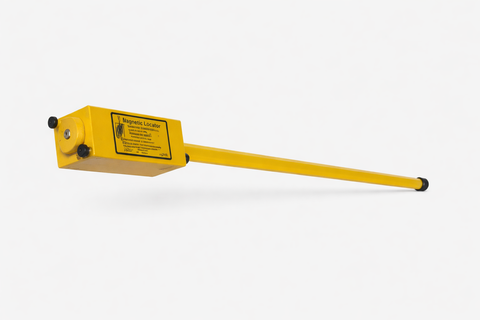
Schonstedt GA-52Cx remains a top choice for its proven performance and durability (many say it’s the best magnetic locator for surveyors overall). If you prefer a display or a different form factor, consider the Schonstedt Maggie. For a lower-cost alternative, the SubSurface ML-1 or ML-3 can serve well, just ensure you get used to the differences in sound and handling. Surveyors use magnetic locators to find property corners (iron pins, rebar, nails) and other survey monuments. Key needs are precision for small targets, decent depth (property pins could be buried a few feet), and reliability. Survey crews also tend to use the locator frequently throughout the day, so a well-balanced, easy-to-handle unit is nice. The Schonstedt GA-52Cx has been the surveyor’s darling for decades. About 85% of surveyors choose Schonstedt. Its popularity stems from its set-and-forget simplicity: turn it on, adjust sensitivity, and sweep until you hear the null or peak tone indicating your target. With no LCD screen, there’s nothing extraneous; surveyors often develop an ear for the sound, which allows them to pinpoint a corner pin very precisely by listening for the peak signal. The GA-52Cx’s 5 sensitivity levels can be toggled to home in on a small PK nail that might be just 6 inches deep, or a larger marker a couple of feet down. It’s also extremely rugged, which is great for tossing in the back of the truck or using as a walking stick through brush (many surveyors do this!).That said, newer options are available. The Schonstedt Maggie is essentially a modernized GA-52Cx with the same guts but in a more ergonomic, pistol-grip package. It gives you a visual feedback bar graph in addition to sound. The Maggie can feel a bit heavier in the hand, but it reduces wrist strain since you hold it like a pistol grip instead of a long shaft, something to consider if you’re using it all day. On the other hand, some survey veterans still prefer the long stick form factor of the GA-52Cx or GA-72Cd because you can tilt and rotate it more intuitively to triangulate a target.
If budget is tight for a small surveying firm, you might look at the SubSurface ML-1. It’s less expensive but will detect standard survey markers just fine. The ML-1 has an audio output and simple three-button operation similar to the GA-52Cx (one advantage: its speaker volume is adjustable via the keypad, and it has a very loud output at max volume). Its sensitivity is on par with Schonstedt for normal tasks: a 1-1/4″ PK nail can be found at up to 12 inches with proper technique, similar to Schonstedt, though it might not have the same feel in terms of signal refinement. The ML-1M version includes a visual meter if you want that feedback. SubSurface units also come with a 7-year warranty, so they are confident about longevity.
For Construction and Excavation Crews
Schonstedt Spot (for an easy, lower-cost unit from a top brand) or Fisher FX-3 for simplicity. If you anticipate daily use or want a buy-it-for-life tool, invest in a Schonstedt GA-52Cx, which you can also lend across crews because everyone intuitively understands its two-knob operation.Construction crews (e.g., contractors doing excavation, road work, or building construction) typically need a magnetic locator occasionally to clear a site or find buried tank lids, septic covers, or rebar in concrete. The usage is intermittent, so ease of use and readiness are key. You want a locator that can sit in the truck and still work reliably when you grab it, with minimal fuss. For this scenario, a mid-range locator might be the best fit. You likely don’t need the ultra-high sensitivity of a survey-grade unit, but you do need something tough that any crew member can operate with minimal training.A great option here is the Schonstedt Spot (Schonstedt’s newer model, positioned as a budget-friendly, simplified locator). Spot was designed to be the everyday magnetic locator with one-button operation and a modest price point, specifically to target construction and rental markets. It’s not as sensitive as the GA-52Cx, but it’s plenty capable of finding a manhole cover or marker stake. If Spot is not available, the Fisher FX-3 is another solid choice. It’s very straightforward (just move it around; the tone increases near ferrous metal) and is relatively low-cost. Construction crews appreciate that the FX-3 doesn’t have knobs that can break; it’s a motion-based detector, so just turn it on and swing. One thing to keep in mind: the FX-3 requires movement to detect (it’s a motion detector design), which is fine for scanning an area but a bit less convenient for precise pinpointing compared to the Schonstedt, which will sound off even if held static over a target.
If your construction company does a lot of utility installs or demolitions where locating buried lines or debris is frequent, it might be worth stepping up to a professional-grade locator like the Schonstedt GA-52Cx or Maggie, simply because they’ll hold up to heavy use and rough handling at job sites. The cost difference upfront is offset by the tool essentially lasting a long time. These units can survive being dropped, rained on, and bounced around in a truck bed.
Are expensive locators more accurate?
In general, higher-priced magnetic locators offer better build quality and features rather than dramatically higher fundamental accuracy. All magnetic locators operate on the same physical principle of detecting ferrous metal, so a $600 unit and a $1,200 unit will both find a large iron object under the right conditions. The difference comes in the details: expensive models like Schonstedt’s often have higher sensitivity settings, better signal filtering, and sturdier sensors, which can make it easier to detect very small or deep targets. For instance, a premium locator might give a clearer, more distinguishable tone on a deeply buried survey nail than a cheap locator would. The more expensive unit likely has a louder speaker or more refined audio response, helping the user hear the subtle difference between target and noise. Crucially, expensive locators tend to hold their calibration and performance over time. They might be more accurate in the sense that, after years of use, they are still detecting at full capability, whereas a very cheap locator could drift or suffer from component wear that reduces its sensitivity. Also, top-tier models often undergo more rigorous quality control. When you pay more, you’re also paying for better support. If the locator does need adjustment, companies like Schonstedt will service or recalibrate it (often under warranty). That indirectly keeps the device accurate in the long run.
In summary, it’s not that an expensive locator magically defies physics to find metal deeper than a budget one of similar specs; it’s that it gives the user more confidence and consistency in hitting the locator’s theoretical limits. For everyday tasks, a budget locator can be just as accurate for locating a common object at shallow depth. But for demanding scenarios or long-term heavy use, the premium locator’s advantages in sensitivity, durability, and support can lead to more reliable results (and less frustration for the operator).
How deep can a magnetic locator detect?
Magnetic locators can detect ferrous objects from just a few inches below the surface to as deep as 15–20 feet underground, depending on the size and orientation of the object and the model of the locator. The detection depth is highly variable with target size: a small object like a PK nail or survey spike might only be detected up to 6–12 inches deep, whereas a large iron object like a manhole cover or well casing can produce a magnetic signal detectable at 10+ feet. For example, a standard 4-inch cast iron pipe can often be located at depths of up to ~10 feet with a good locator. Shallow manhole lids (closer to the surface) are easy, but if one is buried deeper, say around 8–10 feet down under fill, a sensitive locator like the Schonstedt GA-52Cx, or Maggie can still pick it up. In ideal conditions, the long vertical orientation of a well casing makes it even easier to detect; well casings have been found at 18 feet deep using magnetometers. Schonstedt notes their locators can sometimes reach targets 15–20 feet below surface in optimal conditions.It’s important to note these depths assume optimal conditions, meaning the object is fairly large, isolated (not too much other metal nearby causing interference), and the soil has low magnetic noise. In real-world conditions, practical detection depths might be less. Highly mineralized soil or the presence of other buried ferrous junk can mask a target. Also, if an object is oriented oddly (e.g., a long piece of rebar lying horizontally might be a weaker signal than if it were vertical), it affects depth. A standard property corner pin (18–24″ of rebar) is usually detectable up to about 3–4 feet deep with a good locator; a septic tank lid rebar handle at 2–3 feet deep is findable; larger iron pipes or tanks can be found deeper, in the 6–10 foot range; and extremely large or elongated ferrous objects (like pipelines or well casings) can give signals approaching the 15–20 foot range.
In short, depth capability is substantial for all high-quality magnetic locators, with large ferrous targets being detectable a couple stories underground. For small targets, expect a few inches to a few feet of range. Always consult the spec sheet and testing guidelines for your specific locator model, and when in doubt, do a test on known targets to gauge how your locator performs in your typical soil conditions. With experience, you’ll get a feel for how deep you can reliably find certain objects with your particular device. Remember, if you need to go deeper, you might have to excavate in lifts or use other locating methods in conjunction. For most survey and utility tasks, though, a magnetic locator will reach any object you’re realistically concerned with, from the surface down to many feet below ground.