
RD7200 vs. RD8200 vs. RD8200SG: Which Radiodetection Locator Do You Actually Need?
Picking between the RD7200, RD8200, and RD8200SG comes down to one question: what does your crew actually do in the field?
A contractor running daily pre-excavation scans has different needs than a municipal department building long-term infrastructure records. A private locator working through congested utilities needs different signal control than a general construction crew. A GIS or survey team needs a locating workflow that produces mapped data, not just paint marks on the ground.
We help contractors, municipalities, utility crews, and locating professionals match the right system to the work, not just the model number. Here’s how the three break down:
• RD7200 — the professional, practical choice for accurate everyday locating
• RD8200 — built for advanced performance in complex, congested, or high-risk environments
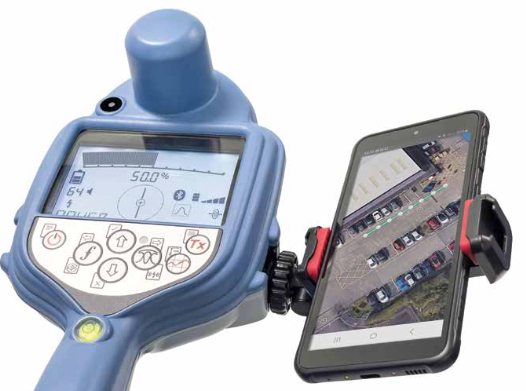
• RD8200SG — combines the RD8200’s locating capability with integrated GPS/RTK for survey-grade utility mapping
Which One Should You Choose?
Choose the RD7200 if you need a professional, straightforward locator for everyday utility work. It’s an all-industry locator designed for accurate, repeatable pre-dig locating; Guidance Mode, TruDepth, StrikeAlert, utility-specific frequencies, and a simple kit setup included.
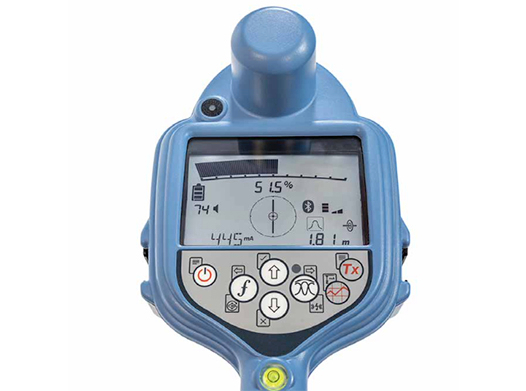
Choose the RD8200 if your work involves complex, congested, or high-risk environments where you need more control and more field intelligence. The RD8200 adds Current Direction, Power Filters, Dynamic Overload Protection, SideStep, Bluetooth, fault-find capability, usage logging with GPS on RD8200G models, and more advanced transmitter options.
Choose the RD8200SG if locating and mapping need to happen in the same workflow. The RD8200SG integrates GPS and RTK, supports mobile mapping apps, and exports data in formats including CSV, KML, and SHP, depending on the app. It’s our survey-grade locating and mapping solution.
| Specification | RD7200 | RD8200 / RD8200G | RD8200SG |
|---|---|---|---|
| Best fit | Contractors, excavation crews, general utility locating, everyday pre-dig work | Municipal utilities, private locators, complex sites, high-precision locating, deeper or congested utility environments | Survey, GIS, municipal mapping, utility asset documentation, mapping while locating |
| Core positioning | Professional all-industry locator for accurate everyday use | Advanced precision locator for demanding buried infrastructure work | Combined utility locating and survey-grade mapping solution |
| Ease of use | Strong option for crews that need simple, repeatable locating with Guidance Mode | More advanced controls and data tools; better for trained operators and complex locating conditions | Familiar RD8200-style locator experience, with added GPS/RTK mapping workflow |
| GPS / mapping | Not the primary feature on this model | RD8200G includes GPS positioning and usage logging for field records | Integrated GPS and RTK for survey-grade locating and mapping |
| Data logging | Not the primary reason to choose this model | RD8200G records locate parameters and can export data such as KML for work verification | Built around mapping and utility location data capture in the field |
| Challenging environments | Good professional everyday performance | Better fit for dense networks, substations, overhead power lines, high interference, and complex infrastructure | Best when challenging locating also needs mapped deliverables |
| Notable features | Guidance Mode, Peak+, TruDepth, StrikeAlert, vibration alerts, power filters, utility-specific frequencies | Current Direction, Power Filters, Dynamic Overload Protection, SideStep, custom frequencies, Bluetooth, fault-find mode, transmitter options | RTK-enabled GNSS, compatible mobile mapping apps, field map building, data export, Android and iOS availability |
| Accessories to consider | Transmitter, soft carry bag or hard case | Transmitter, A-frame for fault finding, clamp, soft bag or hard case | Transmitter, phone holder, bag, Li-ion battery charger, mapping app/correction service |
| Starting price (receiver only) | $2,905 | $5,168 (RD8200); $5,836 (RD8200G) |
$8,777 receiver; $9,058 package with accessories |
| Best buying reason | You need reliable professional locating without overbuying | You need advanced locating performance, data capability, and better control in difficult environments | You need to locate and map utilities with survey-grade positioning |
Need Help Deciding?
At Locator Guys, we listen to what you need to locate (types of utilities, depths, mapping workflows) and configure the perfect system for you. Every purchase includes FREE on-site training for your team and 24/7 technical support. Contact our specialists today to schedule an on-site demonstration or request a quote.
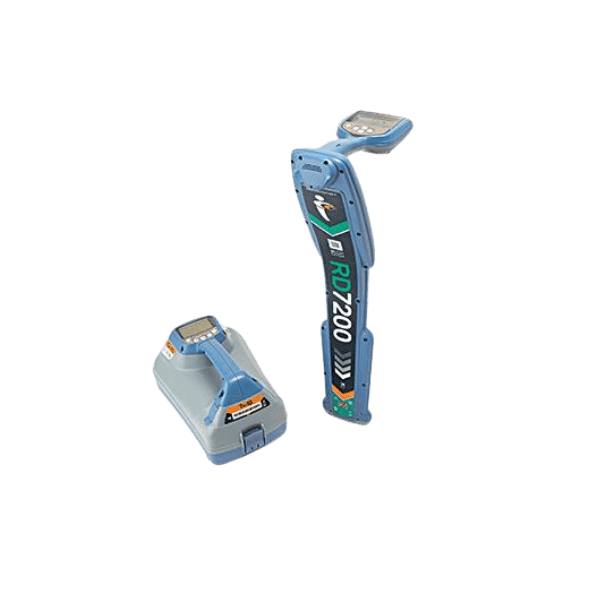
RD7200: The Right Tool for Contractors and Everyday Utility Locating
The RD7200 is the locator we recommend when your crew needs reliable, professional-grade performance without paying for capability you’re not going to use. We call it a “no compromise all-industry locator,” accurate, repeatable, and built for the kind of everyday locating that happens before every dig.
It’s a strong fit for:
• Excavation contractors
• General contractors and site prep crews
• Plumbing and utility contractors
• Construction teams that locate utilities regularly but don’t need survey-grade mapping
The features built into the RD7200 are there to reduce operator error and give your crew confidence in the locate. Guidance Mode walks operators through the process automatically. Peak+ combines the benefits of Guidance and Null locating with Peak mode. TruDepth only gives you depth and current readings when the locator is correctly oriented above the target, so you’re not relying on bad data. We also list StrikeAlert, vibration alerts, power filters, compass orientation, utility-specific frequencies, and a sunlight-readable display among the key features.
When the RD7200 is the right call
Choose the RD7200 when your goal is finding and marking utilities before you dig, not producing GIS-ready utility records. It gives your crew the capability to do that job safely and repeatedly, without stepping into the cost or complexity of a mapping-focused system.
When the RD7200 may not be enough
If your work regularly involves highly congested underground corridors, complex municipal infrastructure, detailed field documentation, usage logging, or utility mapping, the RD8200 or RD8200SG will serve you better. Give us a call, and we’ll help you sort it out.
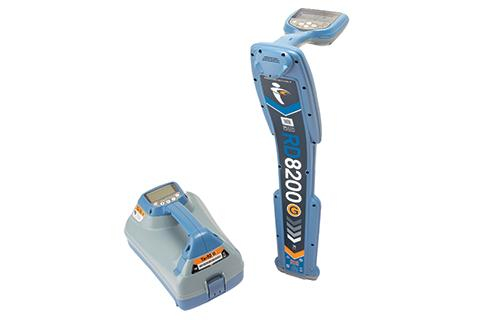
RD8200: Built for Advanced Locating in Complex Environments
The RD8200 is what we recommend when performance in difficult conditions matters more than keeping the purchase price down. Radiodetection positions it as their most advanced cable locating platform, built for efficient operations, high safety margins, and precise measurements where the RD7200 would be working at its limits.
It’s the right fit for:
• Municipal utility departments
• Private utility locating companies
• Electric, telecom, gas, water, and sewer departments
• Crews working in congested underground infrastructure
• Teams that need usage tracking and field documentation
• Operators who need more advanced signal control
Where the RD7200 handles everyday locating well, the RD8200 is designed for the jobs that push those limits: interference from parallel utilities, deep or long locates, substations, high-voltage environments, telecom lines, and dense buried infrastructure. It simplifies the task of distinguishing and tracing utilities in exactly those conditions.
What makes the RD8200 cost more
The price difference between the RD7200 and RD8200 reflects real capability. Here’s what you’re getting:
• Current Direction to identify the target line among parallel utilities
• Power Filters for tracing individual power lines when you can’t connect a transmitter
• Dynamic Overload Protection to reject unwanted interference
• SideStep to shift locate frequency in interference-prone areas
• 4 kHz Locate and Current Direction for telecom and street lighting applications
• Swing Warning System to encourage correct locator handling
• Usage logging with GPS positioning on RD8200G models
• Bluetooth connectivity
• Fault Find Mode with an accessory A-frame for locating cable sheath faults
• 90V transmitter output for dry ground, deep locates, or long locates
• RD Manager for setup, calibration, updates, and data download
When the RD8200 is the right call
Choose the RD8200 when locating accuracy, signal control, operator accountability, and difficult jobsite performance matter more than buying the simplest option. It’s the better tool for organizations that locate utilities regularly, work in dense infrastructure, or need to document how and where field work was performed.
When the RD8200 may be more than you need
If your crew only handles occasional, straightforward pre-dig locates and doesn’t need advanced logging, GPS-enabled usage records, custom frequencies, or fault-finding capability, the RD7200 may be the smarter buy. We’ll tell you that honestly.
RD8200SG: Survey-Grade Utility Mapping in One Workflow
The RD8200SG is for teams where the job doesn’t end at locating the utility. It’s built for crews that need to locate and capture mapping data in the same operation, without switching tools or workflows.
We describe the RD8200SG as a new advancement built on the RD8200 platform, with integrated GPS and RTK technologies for higher locating and mapping accuracy. It runs on Android and iOS, supports compatible mobile mapping apps, and lets your crew build maps in the field while they locate.
It’s the right fit for:
• Survey crews
• GIS teams
• Municipal utility departments
• Engineering firms
• Utility asset management programs
• Contractors documenting as-builts
• Organizations that need mapped utility deliverables
The RD8200SG lets you map while you locate, choose your mobile mapping app and correction service provider, and export data in formats including CSV, KML, and SHP depending on the app.
When the RD8200SG is the right call
Choose the RD8200SG when locating data needs to become usable utility records—for mapping, reporting, asset management, or future excavation planning. It’s especially valuable for municipalities and engineering teams that need a reliable connection between field locating and GIS or documentation workflows.
When the RD8200SG may be more than you need
If your crew only needs to locate and mark utilities in the field, no survey-grade mapping, no RTK workflows, no exportable utility records, the RD8200 or RD7200 will get you there for less. Call us, and we’ll figure out the right configuration together.
Matching the Right Locator to Your Job Type
For contractors and excavation crews
The RD7200 is our starting recommendation. It delivers professional Radiodetection locating performance, strong everyday usability, and the features your crew needs to reduce strike risk before digging. Move up to the RD8200 if your projects involve more congested infrastructure, deeper lines, or more demanding documentation requirements.
Use the RD7200 for:
• Pre-excavation scans
• Trenching projects and site prep
• Contractor utility verification
• General jobsite utility locating
For municipal water, sewer, gas, electric, and telecom departments
The RD8200 is usually the better fit. Municipal work demands more: complex infrastructure, more demanding locating conditions, and a need to document and verify field work. We specifically recommend the RD8200 series for departments that require high locating accuracy and optional mapping capability.
Use the RD8200 for:
• Daily utility department locating
• Water, sewer, gas, and electric infrastructure
• Telecom and fiber work
• Congested right-of-way environments
• Deeper or longer utility runs
Choose the RD8200SG instead if the department needs survey-grade asset mapping or GIS-ready utility records.
For private utility locators
The RD8200 is the stronger choice when you’re locating across a wide range of unknown utilities, site conditions, and customer requirements. Private locators need signal control, performance in congested environments, and the ability to document work clearly.
Choose the RD8200 when your work involves:
• Commercial and industrial properties
• Mixed utility corridors
• Unknown utility records
• High-risk excavation support
• More complex customer reporting
Choose the RD8200SG if mapping deliverables are part of your service offering.
For surveyors, GIS teams, and utility mapping programs
The RD8200SG is the right fit. It’s built for teams that need to locate and map in one operation, not just identify the approximate field location of buried infrastructure.
Use the RD8200SG for:
• Survey-grade utility mapping
• GIS data collection and as-built documentation
• Municipal asset management
• Engineering records and utility location exports
If your team only needs locate marks and not mapping data, the RD8200 or RD7200 is likely the better fit.
Build Your Complete Radiodetection Kit
One of the biggest mistakes we see buyers make is thinking only about the receiver. In the field, a working locator setup depends on the full kit: receiver, transmitter, accessories, carrying case, and application-specific add-ons. The receiver-only prices on our product pages don’t include every configuration; other options and upgrades are available.
Here’s what we typically talk through before a purchase:
Receiver
The locator itself—RD7200, RD8200, RD8200G, or RD8200SG.
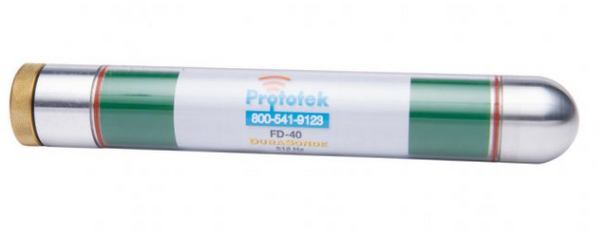
Transmitter
A transmitter applies a signal to a target utility for active locating. Our product pages list transmitter options with 20-foot cables, an extra 20-foot extension cable, ground rod, and instructions.
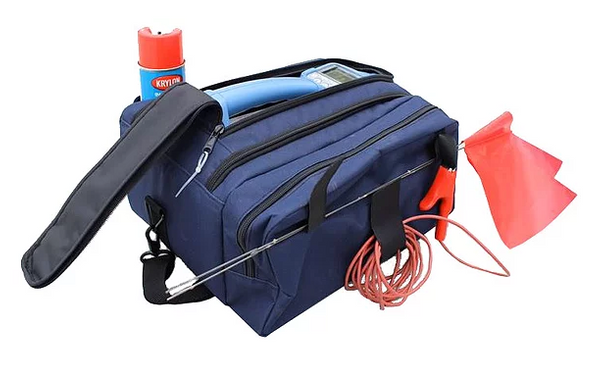
Soft Carry Bag or Hard Case
We stock soft carry bags and hard cases for RD7200/RD8200 systems. The soft bag fits the locator, transmitter, and accessories. The hard case has wheels for easy transport and holds the same.
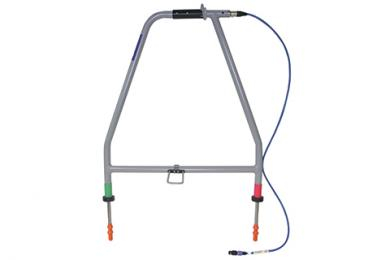
A-Frame
For RD8200 users, an accessory A-frame works with Fault Find Mode to identify and locate cable sheath faults to within 4 inches.
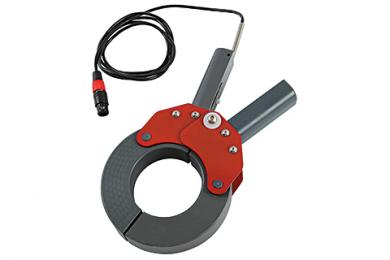
Clamp
Useful when direct connection to a utility isn’t practical or preferred. Selection depends on utility type, access point, and your locating workflow.
Phone holder, battery charger, and mapping workflow
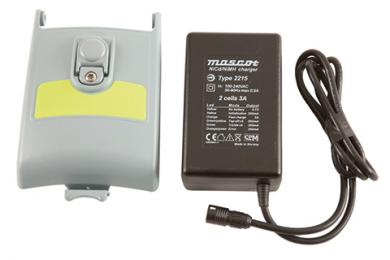
For RD8200SG users, we offer an RD8200SG package that includes a phone holder, bag, and Li-ion battery charger. We’ll also help you think through mapping app selection and correction service provider choice when you’re building the full system.
We Help You Avoid Buying the Wrong Locator
The right locator depends on more than the model number. It depends on what you’re locating, how deep the utilities run, whether the lines are metallic or non-metallic, how congested the site is, whether you need documentation, and how experienced your operators are.
We’ll help you match the right locating equipment to your workflow, configure the system correctly, and train your crew for consistent results in the field. Utility locating performance depends on utility material, signal frequency, soil conditions, site congestion, and operator experience. Overbuying wastes budget. Under-buying leads to missed utilities, rework, downtime, and higher risk at the dig.
We’ve been selling and supporting this equipment since 2001. We’ll give you a straight answer.
Bottom Line
RD7200: Best for most contractors and excavation crews that need a professional, dependable locator for everyday field use.
RD8200: Best for serious locating teams, municipal departments, and private locators who need advanced performance in difficult or congested conditions.
RD8200SG: Best when locating data needs to become mapped utility records for GIS, survey, engineering, asset management, or documentation workflows.
The best way to choose is to talk through your actual jobsite conditions, target utilities, crew experience, and documentation needs before you buy. That’s what we’re here for.
RD7200: Best for most contractors and excavation crews that need a professional, dependable locator for everyday field use.
RD8200: Best for serious locating teams, municipal departments, and private locators who need advanced performance in difficult or congested conditions.
RD8200SG: Best when locating data needs to become mapped utility records for GIS, survey, engineering, asset management, or documentation workflows.
The best way to choose is to talk through your actual jobsite conditions, target utilities, crew experience, and documentation needs before you buy. That’s what we’re here for.
Frequently Asked Questions
Do I really need GPS?
Only if you’re producing records or maps. If you locate and mark, the RD7200 does everything you need. If you need exportable proof of work, choose the RD8200G. If the map is a deliverable, choose the RD8200SG.
What’s the difference between the RD8200G and the RD8200SG?
The RD8200G logs locates at standard GPS accuracy (roughly 1–3 meters) for audit and reporting. The RD8200SG adds RTK correction for sub-inch survey-grade accuracy and real-time field mapping.
Can these locate plastic pipe (PVC/HDPE)?
Not directly—no electromagnetic locator can. You’ll need a tracer wire, a sonde pushed through the line, or GPR. We can pair any of these locators with a sonde, or point you toward a GPR system that fits your work.
Is the RD7200 hard to learn?
No—it’s the easiest of the three to operate. And we train your crew on-site for free until they’re confident.
Can I upgrade later?
Tell us where you’re headed. We’ll help you buy the model that fits now without boxing you in, and our trade/used program gives you a path forward.
Get Help Choosing the Right Radiodetection Locator
Not sure whether you need the RD7200, RD8200, RD8200G, or RD8200SG? We can help you compare models, build the right kit, and choose the transmitter, case, clamp, A-frame, mapping tools, and accessories that match your work.