
How to Locate a Camera Head: Sondes, Frequencies, and Choosing the Right Locator
A sewer camera shows you what's inside the pipe. But without the right sonde, frequency, and locator, you still don't know where that problem is underground.
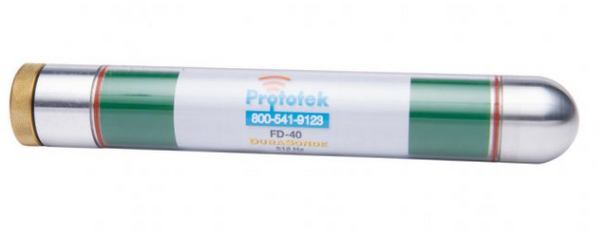
A sonde is a compact, battery-operated transmitter that can be pushed, attached, flushed, or built into a camera system. Once it's inside the pipe, duct, drain, or sewer line, it emits a signal that a compatible above-ground locator can track, giving your crew the location, depth, and direction of buried lines, blockages, collapses, or camera heads. No unnecessary excavation. No guesswork.
For plumbing contractors, septic companies, municipalities, and sewer inspection crews, getting that pairing right is the difference between a confident dig point and a costly mistake.
What Do You Need to Locate a Camera Head?
Three things:
• A sonde or camera head transmitter that emits a trackable signal inside the line
• A compatible receiver/locator that can detect the sonde frequency from above ground
• The right frequency and setup for the pipe material, depth, jobsite interference, and inspection method
Locator Guys carries sewer inspection cameras from Hathorn, RIDGID, Insight Vision, and Aries, along with Prototek sondes, Radiodetection locators, Jameson accessories, and other locating equipment for inspection and locating workflows.
What Is a Sonde?
A sonde is a compact transmitter that travels inside pipes, ducts, sewers, drains, and conduits. Instead of trying to locate the pipe from above, the operator tracks the signal the sonde emits as it moves through the line.
Sondes are the right tool when:
• The pipe is non-metallic: PVC, HDPE, clay, or concrete
• There's no tracer wire
• A camera head needs to be located from the surface
• A blockage, collapse, or defect needs to be pinpointed
• The crew needs to mark the pipe path before digging
• A duct or conduit route needs to be traced
Why Camera Head Locating Matters
A camera inspection tells you what's inside the line. A sonde locate tells you where that issue is underground.
That matters because the repair crew needs to know:
• Where the camera head is positioned
• How deep the pipe is
• Where the blockage or collapse is located
• Which direction the pipe runs
• Where to excavate
• Whether the pipe path matches available drawings
• Whether the issue can be addressed from an existing access point
Pairing a camera with a sonde and locator gives crews faster excavation decisions, less guesswork, better documentation, and a safer jobsite.
How the System Works
A typical camera head locating workflow:
1. Insert the camera head, sonde, flushable transmitter, or rodder-mounted sonde into the pipe.
2. Confirm the sonde is on and transmitting.
3. Set the above-ground locator to match the sonde frequency.
4. Locate the sonde near the access point to confirm signal strength and orientation.
5. Advance the camera or sonde through the pipe.
6. Track the sonde from above ground.
7. Mark the pipe path, depth, or defect location.
8. Use the mark to plan excavation, repair, cleaning, or follow-up inspection.
Pro tip: Insert the sonde, locate it while it's still just inside the entrance, and hold the locator vertically directly over it with the antenna in line with the sonde. This confirms you have signal before you go deeper into the line.
Choosing the Right Sonde Frequency
The receiver has to match the sonde. Some sondes are built for everyday sewer camera locating. Others are designed for deeper locates, non-metallic lines, cast iron, septic systems, or high-interference environments.
| Frequency | Product / Use | Best-Fit Application |
|---|---|---|
| 512 Hz | FTP-8 flushable transmitter, FD series sondes, many camera systems | Common sewer, drain, cast iron, and non-metallic pipe locating |
| 8 kHz | HTP-15 flushable transmitter | Non-metallic lines and septic tanks, especially where power-line interference is a factor |
| 33 kHz | Radiodetection locator sondes such as Super Sonde and S18 Sonde | Pipe and duct locating with compatible utility locators |
| 223 kHz | ATP-12 flushable transmitter | Prototek Ardy receiver applications in non-metallic lines and septic tanks |
Why 512 Hz Is the Standard Starting Point
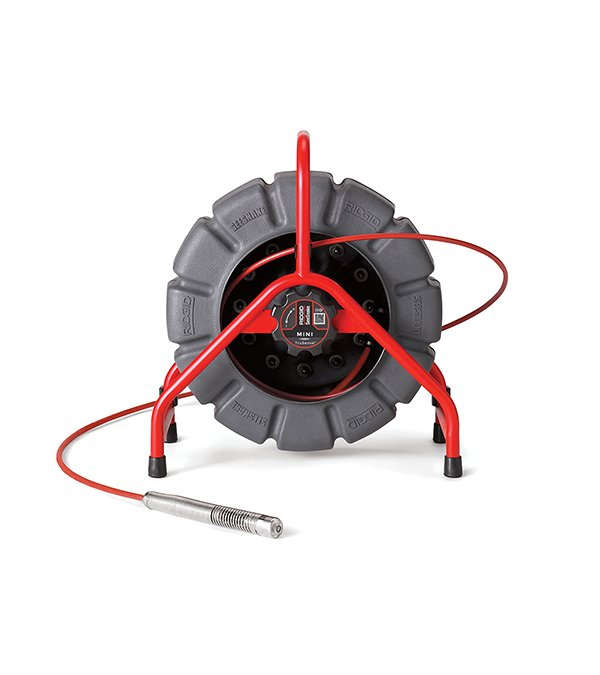
Many sewer camera systems, including RIDGID SeeSnake, are built around 512 Hz. The SeeSnake Mini Pro includes a 512 Hz transmitter, which makes this frequency a practical default for:
• Sewer inspection cameras
• Drain cameras
• Camera head locating
• Pipe defect pinpointing
• Cast iron and non-metallic line tracing
• Septic line locating
• Common plumbing and municipal inspection workflows
That said, 512 Hz isn't always the answer. The best frequency depends on the receiver, sonde, pipe material, depth, access method, and site conditions.
Sonde Types and When to Use Each One
1. Built-In Camera Head Sondes
Many inspection cameras include a built-in sonde or transmitter in the camera head. It's often the simplest setup: one system handles both inspection and locating.
Use a built-in camera head sonde when:
• You already own a compatible sewer camera
• You need to pinpoint the camera head location
• You're locating a blockage, break, belly, collapse, or repair point
• The camera system has a known transmitter frequency
• Your above-ground locator can detect that frequency
The RIDGID SeeSnake FleXmitter is a good example: it's designed to deliver long-range signal while still allowing the camera to navigate turns.
2. Flushable Sonde Transmitters
Flushable transmitters travel through pipes and septic systems while emitting a trackable signal. They're the right choice when pushing a camera or rodder isn't practical.
Use a flushable transmitter when:
• You need to trace a sewer or septic line
• You want a transmitter that floats for retrieval
• You need to locate through non-metallic lines
• The access point supports flushing or water flow
• You're locating a septic tank, sewer route, or pipe path
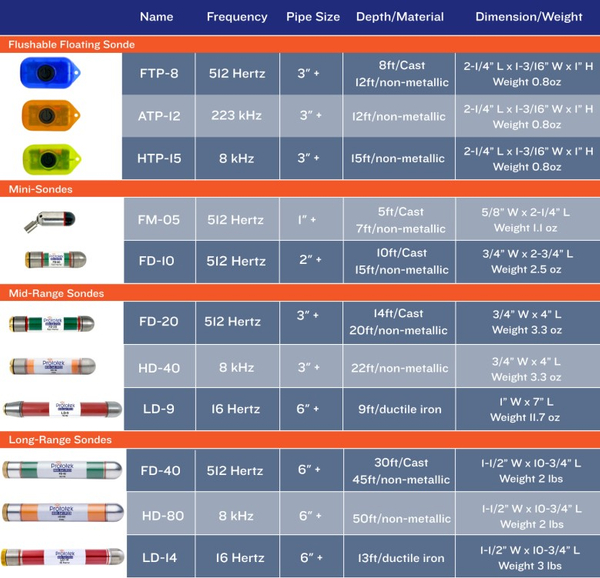
Locator Guys carries the FTP-8 (512 Hz, cast iron, non-metallic, and septic), the ATP-12 (223 kHz for use with the Prototek Ardy receiver), and the HTP-15 (8 kHz, non-metallic lines and septic tanks, with reduced interference near power lines).
3. Mini Sondes
Mini sondes are built for tight spaces: small-diameter pipes, ducts, conduits, and narrow sewer lines where a larger sonde simply won't fit.
Use a mini sonde when:
• The pipe diameter is small
• The access point is tight
• The sonde has to travel through bends
• A larger transmitter can't physically fit
• You're working in ducts, conduits, or small sewer lines
4. Mid-Range Sondes
Mid-range sondes are the everyday workhorse for most pipe and utility locating jobs, built for consistent, balanced performance across standard pipe sizes and depths.
Use a mid-range sonde when:
• You need a general-purpose pipe locating transmitter
• The pipe size is neither extremely small nor extremely deep
• You want reliable performance across common jobs
• You're tracing everyday sewer, drain, duct, or conduit runs
5. Long-Range Sondes
Long-range sondes are built for deeper and longer locating work, the right fit for large pipelines, extended sewer runs, and more demanding underground tracing applications.
Use a long-range sonde when:
• The pipe is deeper
• The run is longer
• The locate requires stronger signal distance
• The pipe or utility path is more complex
• A standard sonde doesn't provide enough range
6. Rodder-Mounted Locator Sondes
Some sondes can be attached to a Jameson duct rodder or flexrod to trace non-conductive pipes and conduits, which is useful when the line can't be located using standard electromagnetic methods.
Use a rodder-mounted sonde when:
• You need to push the sonde through a duct, conduit, or pipe
• The utility is non-conductive
• You need to pinpoint sonde location and depth
• You want more control than a flushable transmitter provides
Locator Guys stocks rodder-mounted sondes that thread onto a duct rodder and pair with Radiodetection locators, giving you a precise, controlled locate even in non-conductive utilities.
Choosing the Right Locator for a Sonde
The above-ground receiver has to support the sonde frequency, the expected depth, and your job site conditions. Not every locator works with every sonde.
| Job Type | Recommended Locator | Why |
|---|---|---|
| Basic sewer camera head locating | 512 Hz-capable sonde locator or utility locator | Matches most common sewer camera transmitters |
| Contractor locating sewer/drain defects | Professional utility locator with sonde mode | Identifies depth and pipe path before excavation |
| Municipal sewer/water department | Higher-end utility locator with multiple frequencies | Handles varied pipe materials, depths, and field conditions |
| Non-metallic pipe tracing | Sonde + compatible locator, GPR, or acoustic tools | Standard EM locators cannot detect PVC without tracer wire or sonde |
| Dense utility corridors | Advanced locator with filtering and multiple frequencies | Reduces interference from nearby utilities |
| Camera + mapping workflow | Locator with GPS/mapping capability | Documents locate points and inspection findings |
One important note: standard electromagnetic locators work well on metallic utilities and tracer wires, but PVC and other non-metallic pipes generally require GPR, acoustic locating, or a sonde approach that standard EM alone won't detect.
Best-Fit Pairings by Application
Plumbing and Drain Cleaning Contractors
The goal is a setup that lets you inspect the line, locate the camera head, and mark the repair point fast.
Recommended setup:
• Sewer camera with integrated sonde
• 512 Hz-compatible locator
• Optional flushable transmitter for septic or non-camera work
• Accessories for retrieval, marking, and documentation
Best-fit use cases: Locate a blockage. Mark a broken section. Find a buried cleanout. Trace a residential sewer lateral. Identify where to excavate.
A camera system becomes significantly more valuable when paired with a locator that can pinpoint the underground position of the head or defect.
Septic Companies
Septic locating typically involves non-metallic lines, tanks, and uncertain underground layouts. A flushable transmitter or sonde lets you trace the line without relying on conductive pipe material.
Recommended setup:
• Flushable transmitter
• Compatible Prototek or sonde receiver
• 512 Hz, 8 kHz, or 223 kHz, depending on equipment
• Optional camera system for visual inspection
Best-fit use cases: Locate septic tanks. Trace non-metallic septic lines. Identify access points. Reduce unnecessary digging.
Municipal Sewer and Public Works Departments
Municipal crews encounter different pipe materials, depths, access points, and job-site conditions. Versatility isn't optional. It's a requirement.
Recommended setup:
• Professional sewer camera system
• Multiple sonde options
• Multi-frequency utility locator
• Optional mapping-capable locator
• Training for inspection and locating crews
Best-fit use cases: Mainline sewer inspection. Blockage and collapse location. Pipe path verification. Repair planning. Utility documentation.
Locator Guys serves public works departments and contractors with commercial sewer inspection cameras, Prototek sondes, and Radiodetection locating equipment.
Utility Contractors and Excavation Crews
Excavation crews often need to locate multiple utility types, not just camera heads. The best setup here combines sonde locating with a professional utility locator capable of tracing metallic lines, tracer wires, and energized utilities.
Recommended setup:
• Radiodetection or comparable professional utility locator with sonde mode
• Transmitter for active locating
• Optional sonde or rodder-mounted sonde
• Optional GPR for non-metallic utilities without tracer wire
Best-fit use cases: Pre-dig locating. Pipe path tracing. Sewer and drain repair planning. Non-metallic utility investigation. Damage prevention.
How to Avoid Buying the Wrong Sonde or Locator
The most common mistake is buying one piece of equipment without confirming the full system. Before you order, make sure you know:
• What frequency the sonde transmits
• Whether your locator can receive that frequency
• Whether the pipe material is metallic or non-metallic
• Whether you need pipe path tracing, camera head locating, or both
• Whether you need depth readings
• What you need in the kit: camera, transmitter, receiver, rodder, adapter, or flushable sonde
• Whether the jobsite has interference from power lines or other utilities
• Whether the pipe diameter can physically accept the sonde
• Whether the system needs to work in cast iron, PVC, clay, septic lines, or ducts
Sondes come in a range of sizes, from 0.25 to 2.51 inches in diameter. Spring couplings and rodder adapters can help with connections, bends, and pipe navigation.
Build Your Complete Sonde + Locator Kit
Depending on the job, the right kit may include more than just a camera or locator:
| Kit Component | Why It Matters |
|---|---|
| Sewer camera | Provides visual inspection inside the pipe |
| Built-in camera sonde | Lets the operator locate the camera head from above ground |
| Standalone sonde | Useful for pipe tracing independent of a camera |
| Flushable transmitter | The right tool for septic and non-metallic line locating |
| Utility locator/receiver | Tracks the sonde signal from above ground |
| Transmitter | Used for active locating of conductive lines or tracer wires |
| Duct rodder or flexrod | Pushes the sonde through pipe or conduit |
| Rodder adapter | Ensures physical compatibility between sonde and rodder |
| Spring coupling | Helps the sonde navigate bends and absorbs shock |
| Case or bag | Protects the locator, transmitter, and accessories in the field |
| Training | Ensures the crew locates correctly and avoids bad reads — Locator Guys provides free on-site training with every purchase |
Locator Guys offers Prototek sondes, adapters, accessories, and downloadable product guides to help you compare sonde options, frequencies, rodder compatibility, and product configurations before you commit.
Why Buy the Full System from Locator Guys?
The right equipment pairing is application-specific. A sonde that works for a septic line isn't automatically the right choice for a camera head locate. A locator that handles one frequency may not support another. A rodder-mounted sonde may need a specific adapter. And a camera system may already have a transmitter, but your crew still needs the right receiver to track it.
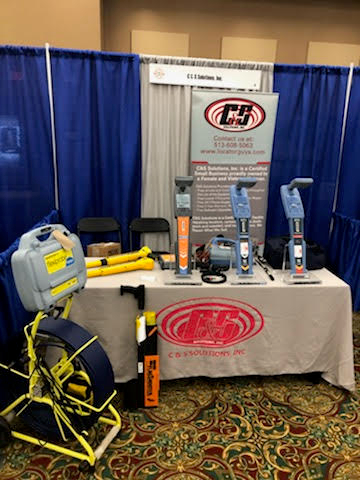
Locator Guys helps you choose the right equipment for the actual job: sewer cameras, utility locators, sondes, transmitters, rodders, and locating accessories. And the support doesn't stop at the sale.
• Free on-site training with every purchase
• Annual follow-up training
• Free on-site demonstrations
• 24/7 customer support
• Free loaners when equipment is being serviced
Sonde locating isn't just a product decision. It's a workflow decision. The team at Locator Guys has been helping contractors, municipalities, and utility crews get that workflow right since 2001.
Match the Camera, Sonde, Frequency, and Locator Before You Buy
Don't start with the camera alone. Start with the complete workflow.
Before you buy, know:
• What you're inspecting
• What you need to locate
• What frequency the sonde uses
• What receiver can detect that frequency
• How deep the pipe is
• What the pipe is made of
• Whether the job requires tracing, pinpointing, mapping, or excavation planning
For many sewer and drain contractors, a 512 Hz camera head sonde and compatible locator is the right starting point. For septic work, a flushable transmitter is often the better solution. For municipal or utility work, a professional multi-frequency locator and multiple sonde options are the smarter long-term investment.
FAQs
What frequency do most sewer camera heads use?
Most sewer camera systems are built around 512 Hz — it's the common standard for camera head locating and sewer inspection work. That said, the right frequency depends on your specific camera, sonde, and locator combination. When in doubt, call us before you buy.
Can a utility locator find PVC pipe?
Not directly. A standard electromagnetic utility locator can't detect PVC unless there's a tracer wire or another conductive path present. For non-metallic pipes, the typical approach is to use a sonde, GPR, or acoustic locating, depending on the application.
What's the difference between a sonde and a transmitter?
A sonde is a small transmitter designed to travel inside a pipe, duct, drain, or sewer line. A traditional utility locating transmitter is connected to a conductive utility or tracer wire from outside the line to apply a signal for the receiver to trace. Both have their place — the right choice depends on the job.
Can I use a sonde with a duct rodder?
Yes. Locator Guys carries locator sondes designed to thread onto a Jameson duct rodder, which lets you push the sonde through non-conductive utilities and pinpoint location and depth from above ground.
Do I need a separate locator if my sewer camera has a built-in sonde?
Yes. The built-in sonde sends the signal; the locator is what lets your crew track it from the surface. A camera with a built-in sonde is only half the system without the right above-ground receiver.
Need Help Pairing a Sewer Camera, Sonde, and Locator?
The team at Locator Guys can help you choose the right sonde frequency, compatible locator, camera system, transmitter, rodder, and accessories for your work.
Whether you're trying to locate a camera head, trace a non-metallic sewer line, find a septic tank, or build a full inspection-and-locating kit, call us before you buy. We'll make sure the system works before it ever hits the field.