
Mainline Sewer Inspection System Price & Comparison Guide
What Is Mainline Sewer Inspection?
Mainline sewer inspection refers to the process of examining the condition of primary sewer lines, the large-diameter pipes (commonly 6 inches and up) that carry wastewater through municipal systems. Unlike smaller residential laterals (which connect individual properties to the main line), mainline inspections involve larger municipal sewer pipelines and therefore require specialized camera equipment. These pipelines can range from standard 8–12 inch city sewers up to massive trunk lines of 60–120 inches in diameter, often running under roads or public right-of-ways.
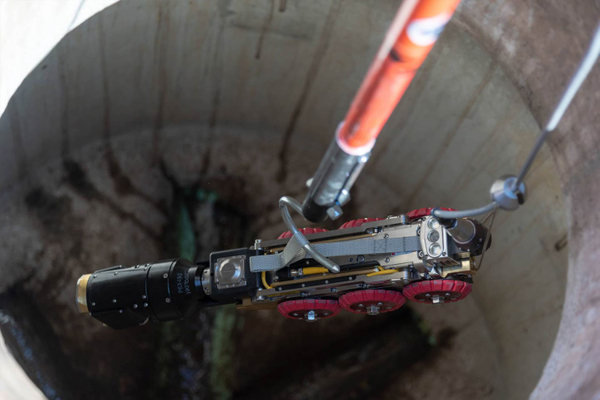
Mainline sewer cameras are typically robotic crawler systems that can travel long distances inside a pipe, capturing high-resolution video of pipe walls, joints, and defects. When working on residential jobs, simpler push-rod cameras (offered by brands like RIDGID or Milwaukee) might suffice, but for larger municipal pipes, a dedicated mainline sewer inspection camera is key. These crawler cameras allow utilities and contractors to identify cracks, blockages, root intrusion, inflow/infiltration points, and other structural issues deep within the sewer without excavation.
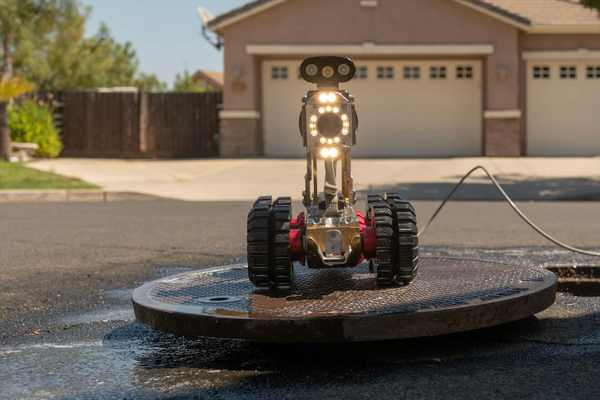
Mainline sewer inspection is a critical component of sewer maintenance and rehabilitation programs. Cities regularly perform CCTV (closed-circuit television) inspections of mainlines to assess pipe conditions, plan repairs, and comply with regulatory standards. Modern mainline systems use high-definition pan/tilt/zoom cameras mounted on self-propelled crawlers, with illumination provided by powerful LEDs. The crawler is lowered into a manhole and driven through the sewer, while operators on the surface monitor live video and record observations. The clarity and reach of these municipal sewer inspection equipment systems provide detailed data for engineers, far beyond what a simple drain snake camera could achieve. Advanced units also integrate with reporting software (often following NASSCO PACP standards) so that defects can be catalogued and mapped precisely for each pipe segment. In summary, mainline sewer inspection is the high-tech video examination of large sewer mains, enabling proactive maintenance and informed decision-making to keep critical infrastructure flowing.
System Types & Price Tiers (Truck, Trailer, Portable)
Mainline sewer camera systems generally fall into three configuration types: truck-mounted systems, trailer-based systems, and portable systems, each with its own price tier. Below, we break down these system types and their typical price ranges, with real examples from Locator Guys’ inventory to illustrate costs. All prices quoted are based on recent Locator Guys listings or industry benchmarks to ensure accuracy.
Truck-Based Systems
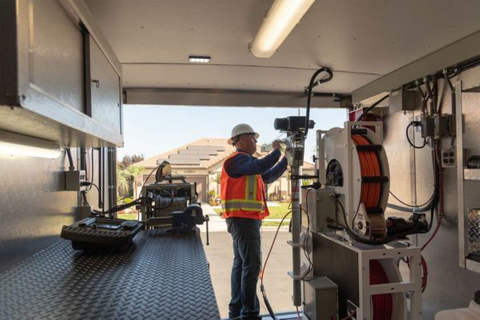
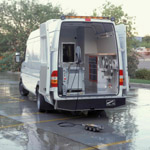
A sewer inspection truck is a fully integrated CCTV system built into a dedicated vehicle (often a box truck or high-cube van). These come with a climate-controlled operator room, mounted motorized cable reel, generator or inverter power supply, and all controls and recording equipment installed on board. Truck units offer maximum efficiency and comfort. Crews can drive to a site and immediately get to work, but they also represent the highest cost bracket.
A brand-new mainline inspection truck outfitted with a long-range crawler and lateral launch capability can easily cost six figures. For example, municipalities have invested over $200,000 in single sewer camera trucks. Typical price range: approximately $150,000 to $300,000+ for a new turnkey truck-mounted system, depending on chassis and options. Buyers often justify this cost with the productivity gains and longevity of a purpose-built unit.
Trailer-Based Systems
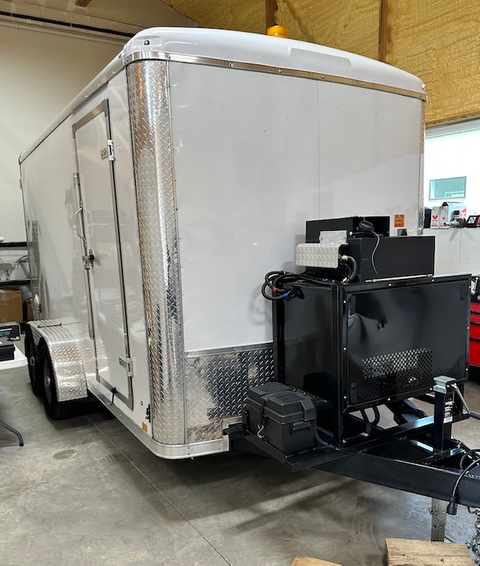
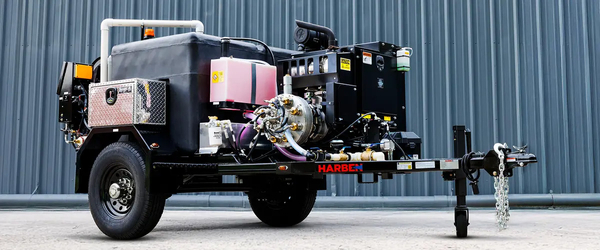
A step down in mobility (but often similar in capabilities) are trailer-mounted sewer inspection systems. These consist of an enclosed trailer outfitted much like a truck unit, with a generator, control room workspace, and mounted crawler camera system, which can be towed to job sites by a standard pickup or utility truck. Trailer systems offer a cost-saving alternative to a dedicated CCTV truck while still providing a professional setup (with room for monitors, rack-mounted controls, etc.). They are popular with mid-sized municipalities and contractors who may already have tow vehicles or prefer the flexibility of unhitching the inspection unit when not in use.
Typical price range: roughly $50,000 to $200,000 (used to new). For instance, Locator Guys lists a new Aries 502 pipeline inspection trailer at $250,000 (fully outfitted with pan/tilt/zoom crawler, 1200’ motorized reel, and even a lateral launch add-on). Meanwhile, a used trailer system can be significantly cheaper – one pre-owned 8×16 trailer package (with Aries Pathfinder crawler, camera, and supporting gear) was recently in stock for $135,000. That used unit came complete and ready for operation with a PTZ camera, transporter, 1200’ cable reel, and even a 6-month warranty, illustrating the value proposition of buying second-hand. In short, trailer systems span a broad price range: high five-figures for older or basic setups up to $200K+ for brand-new, top-of-the-line models with all the bells and whistles.
Portable Systems
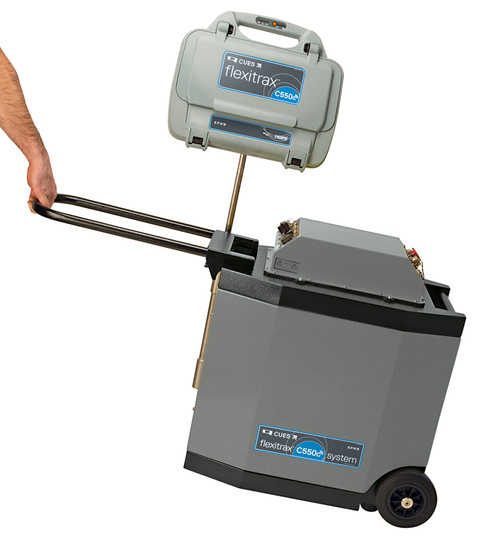
The third category is portable mainline inspection systems, which are not vehicle-mounted at all. These consist of a transportable crawler camera, a powered cable reel (often smaller and sometimes manually operated or electric assist), and a control unit that can be a laptop-based console or a small controller/display. Portable systems are designed to be moved by two people or loaded in a pickup/SUV, and in some cases are even battery-powered for use in remote areas. They sacrifice the comfort and convenience of a built-in control room, but excel in flexibility. Crews can deploy them in off-road locations, hard-to-reach easements, or confined urban areas where a big truck or trailer might not fit.
Typical price range: approximately $10,000 up to $70,000 for new equipment, depending on capabilities. Portable push-rod cameras (for smaller diameter pipes) are on the lower end. For example, a Hathorn H7 complete push camera system with reel and monitor sells for about $8,650 brand-new. On the higher end, a fully featured portable crawler (with a motorized reel and 1000’+ cable) can approach the cost of a small vehicle; one compact mainline crawler kit (Pearpoint’s flexitrax, via H-GAC cooperative pricing) is listed around $60,000 for the base package. The appeal of portable units is that no dedicated vehicle is needed. Contractors who need to travel between job sites or ship equipment overseas also find portables advantageous. The trade-off is that setup/takedown is manual, and operating outdoors can be less efficient than inside a truck, but for many users, the huge savings in cost and the versatility of deployment make portable systems the ideal choice.
CCTV Inspection System Types: Price & Fit
A quick comparison chart to help buyers understand typical price ranges, real-world examples, and best-fit use cases.
| System Type | Typical Price Range | Example (Locator Guys) | Best For |
|---|---|---|---|
| Truck-Mounted |
~$150,000 – $300,000+ (new)
|
Fully equipped CCTV inspection truck (e.g., Aries mainline rig) – often custom-built | Large municipalities; daily high-volume inspections (max productivity) |
| Trailer-Based |
~$50,000 – $200,000+
|
Aries 502 HD trailer $250K new; Pre-owned 8×16 trailer $135K | Mid-sized cities and/or contractors who want full features but lower cost than a dedicated truck |
| Portable System |
~$10,000 – $70,000+
|
Hathorn H7 push-camera kit ~$8.6K; high-end crawler kit ~$60K (battery-powered) | Contractors and small utilities; remote or hard-to-access sites; budget-conscious buyers |
Mainline Sewer Inspection System Price
As shown above, mainline sewer inspection system price varies widely. The investment can range from a few thousand dollars for a basic portable camera to a quarter-million dollars for a turn-key inspection vehicle. The right choice depends on the scale of work, budget, and whether mobility or on-board amenities are priorities. In the next sections, we’ll compare leading brands and dig deeper into how these system types align with different user needs.
Brand Comparison
Locators Guys offers top sewer-inspection brands for every need. Major lines include Aries mainline crawler trucks (e.g., Voyager HD) and lateral launchers, Hathorn and Ridgid push-cameras, Electric Eel push systems, Milwaukee cordless camera kits, Wohler and Insight Vision push-inspection cameras, plus Prototek flushable sondes. Each excels in key categories. For example, Aries systems (with 6″–200″ cameras, 1200′ cable) tackle large mains; Hathorn offers rugged portable cameras with 200–500′ rods; Milwaukee’s M18 units run up to 325′ on cordless power; Insight’s Opticam includes a 10.4″ screen and 512Hz locating sonde; and Prototek provides 223kHz/512Hz flushable transmitters for locating sewer blocks.
Aries Industries – Enterprise-Level Performance
Best for: Municipalities, large contractors, and fleet operations
Strength: Rugged crawler systems, advanced reporting, long-distance runs
Aries is built for high-demand environments. Their mainline crawler systems are designed to handle large-diameter pipe inspections with precision control and exceptional image quality.
Why professionals choose Aries:
Industrial crawler systems for long runs
Advanced reporting software
Built for daily municipal use
Modular configurations for scalability
If you’re inspecting large-diameter infrastructure or running multiple crews, Aries delivers long-term durability and advanced documentation tools.

Insight Vision – Clean, Clear, and Contractor-Friendly
Best for: Plumbing contractors and mid-size inspection teams
Strength: High-definition imaging with intuitive controls
Insight Vision systems are known for crisp video quality and user-friendly design. Their mainline camera systems strike a strong balance between performance and usability.
Why contractors like Insight Vision:
Sharp HD imaging
Streamlined reporting options
Reliable crawler builds
Strong value-to-performance ratio
For contractors who want professional-grade footage without enterprise complexity, Insight Vision is a powerful choice.
Hathorn – Built Tough for Real-World Jobsites
Best for: Contractors needing durability and straightforward operation
Strength: Rugged systems with simple, dependable controls
Hathorn focuses on reliability and field toughness. Their mainline systems are built to withstand harsh environments while remaining easy to deploy.
Why Hathorn stands out:
Heavy-duty construction
Simple, intuitive interface
Designed for frequent transport and setup
Reliable performance in demanding conditions
If durability is your priority and you want equipment that just works, Hathorn is a solid investment.
RIDGID – Trusted Name in Pipe Inspection
Best for: Contractors expanding into mainline inspection
Strength: Brand recognition, dependable systems, strong service network
RIDGID is a well-known name in pipe tools, and their mainline inspection systems are built with reliability and ease of use in mind.
Why many crews choose RIDGID:
Proven track record
Durable crawler designs
Widely supported service network
Smooth integration with existing RIDGID tools
For teams already using RIDGID equipment, staying within the ecosystem simplifies training and maintenance.
Locating & Sonde Integration: Protek + Radiodetection
A camera system is only as effective as your ability to locate it underground.
We carry Protek and Radiodetection locating equipment designed to pair seamlessly with mainline inspection systems. These tools allow you to accurately track sondes and pinpoint pipe location and depth during inspection.
Why this matters:
Faster excavation decisions
Reduced guesswork
Improved documentation accuracy
Greater jobsite safety
Side-by-Side Comparisons
Interactive comparison chart (search + filter + sort). Click any column header to sort.
| Brand | Categories | Flagship Model | Key Specs | Use Case | Price / Warranty |
|---|
Truck vs Trailer vs Portable Systems – Features, Cost, Use Cases
When deciding between a truck, trailer, or portable inspection system, buyers should weigh the feature set and use-case practicality of each format. Many considerations go beyond just price, including how and where the equipment will be used, and what level of mobility or infrastructure is available to support it.
Truck Systems
A sewer inspection truck is essentially a mobile office and equipment room for CCTV inspection. These units have built-in workstations, video monitors, and often computer reporting systems inside, allowing operators to work comfortably in all weather. They typically include a powered cable reel (with anywhere from 600 to 1,500+ feet of cable) mounted in the truck, and external controls or pendants that let an operator pay out and rewind the cable as the crawler moves. Features often found in truck builds include interior lighting and cabinetry, generators or inverters for power, safety lighting (beacons, floodlights for night work), and sometimes additional equipment like wash-down systems or even grout injection systems (for trucks that also handle pipe rehab).
The advantages of truck-mounted systems are clear: everything is self-contained and ready to go. Crews can drive to a site, position the truck near a manhole, and deploy the camera directly. The operator can remain inside (viewing live video on large screens) while communicating with those at the manhole. Trucks also provide secure storage for expensive equipment and spares, reducing setup time and the risk of damage during transit. Use cases: Trucks are ideal for high-volume inspection programs, e.g., a city that surveys many miles of sewer line per year, where efficiency and crew comfort pay off. They are also preferred when working in urban areas where a parked vehicle with warning lights provides a safer work environment. The cost and commitment, however, are highest with trucks. Not only is the initial purchase expensive, but there are ongoing costs: vehicle maintenance, insurance, and the need for a dedicated operator (or two) to drive and run the system. Thus, truck systems tend to be owned by larger municipal utilities or sewer service contractors who have full-time inspection crews.
Trailer Systems
Trailer-based sewer inspection systems offer many of the same features as trucks, such as a sheltered control room and powered reel, but in a towed platform. Inside a sewer inspection trailer, you’ll usually find a layout similar to the trucks: an equipment room (with the cable reel, crawler storage, tool bench) and a control room (with operator desk, monitor, and controls) separated by a bulkhead wall. Trailers often come in sizes like 12 ft, 14 ft, or larger, and can be high-profile (stand-up) interiors. The key requirement is that you need a tow vehicle (typically a pickup or utility truck with sufficient towing capacity) to bring the trailer to the job site. Once on site, the workflow is akin to the truck – the trailer is parked and stabilized, and the crew operates from within it.
Advantages: Trailers can be a bit more cost-effective than a full truck unit since you’re not paying for a powered vehicle chassis as part of the package. They also add flexibility: the towing truck can be detached and used for other purposes when not inspecting, and the trailer can be parked on-site for extended projects (even left overnight if needed). From a budgeting standpoint, one could replace or upgrade the tow vehicle separately from the inspection system, which can be attractive. Use cases: Trailer systems are popular with agencies or companies that want near-truck capabilities but at a slightly lower price, or who already have a fleet of trucks and don’t want another engine to maintain. They are also useful in regions where crews may hand off the inspection unit between different departments: one truck can tow the trailer today, and another tomorrow, etc. In terms of cost and features, as shown earlier, a new fully outfitted trailer can still be quite expensive (the example Aries 14′ trailer with full gear is ~$250K). However, one can also configure smaller or used trailers at lower costs. The maintenance of a trailer unit might be lower (no engine or transmission – just the generator and equipment to maintain), though one should consider the condition of the trailer (tires, brakes, etc.) as part of upkeep. For smaller municipalities that can’t justify a dedicated CCTV truck, a trailer can be an excellent compromise, delivering 100% of the inspection functionality at perhaps 70–80% of the cost.
Portable Systems
Portable mainline inspection systems differ fundamentally in that they are not tied to a vehicle or trailer at all. Everything is broken down into components that can be carried or wheeled to the job site. Typically, you have a crawler unit and camera, a cable reel (sometimes a powered drum on a wheeled cart, other times a lightweight hand-carried reel), and a control unit, which might be a ruggedized tablet, laptop, or a small console. Some portable systems run on battery power (often rechargeable lithium packs) for truly remote operation, while others might use a portable generator or inverter if mains power is unavailable. The obvious advantage here is maximum flexibility: if you need to inspect a sewer line that’s off a road, you can load the gear into a pickup, ATV, or even helicopter it into a remote site if needed. Portables are also easier to mobilize on short notice, no need to have a big truck prepped. You can store the system in a warehouse and grab it for a quick job. Another benefit is cost: as detailed above, portable systems generally cost significantly less than vehicle-mounted rigs. However, the trade-offs include more manual labor (the crew might be setting up a folding table by the manhole with the monitor and controls, and perhaps standing outdoors or in a van while operating) and potentially lower productivity on large jobs (since the cable reel might not be as large or motorized, limiting the speed/distance you can push). Many portable crawler systems max out around 500–1000 feet of cable and may have slightly less pulling power than a heavy truck-mounted reel.
Use cases: Portable systems shine for contractors who do diverse jobs. For example, a company that sometimes inspects sewers, other times does industrial pipe inspections at plants, and needs to ship equipment around. They are also common as a starter system for contractors entering the sewer CCTV business or for augmenting a fleet (a city might have one big truck but also keep a portable unit for off-road tasks or as a backup). Modern portable units are quite sophisticated: some offer 6–8 hour battery operation, wireless control, and recording on SD cards or cloud, meaning even without a van or trailer, you can perform a full inspection with just a two-person crew and a couple of cases of gear. The main limitations are exposure to the elements for the crew and potentially more wear-and-tear on equipment from frequent handling. But for many, the flexibility and cost savings outweigh those concerns. In fact, one manufacturer observed that many cities and firms are trying to squeeze more out of their existing equipment, finding that a portable crawler can sometimes eliminate the need for an extra vehicle. This reflects a general trend: if you can accomplish the inspection without a large dedicated truck (thanks to better battery tech and compact designs), a portable system can be very empowering and cost-effective.
Overall, truck vs. trailer vs. portable comes down to the operational context:
Choose a truck if you need a turnkey, highest-efficiency solution, and have the budget to support a dedicated vehicle (common for larger municipalities or contractors with daily pipeline inspection jobs).
Choose a trailer if you want most of the truck benefits but with a bit more financial flexibility and modularity (great for medium-sized operations or those that want to share the inspection unit across departments).
Choose a portable system if you value versatility, have a lower budget, or frequently encounter sites inaccessible to vehicles (ideal for specialty contractors, small utilities, or as a backup unit). Each configuration has proven its value in the field. The key is aligning the system type with your workflow and job requirements.
Municipal vs Contractor Needs – Who Uses What and Why
users and private contractors may have different priorities and requirements. Both ultimately seek to assess pipe conditions effectively, but factors like budget cycles, frequency of use, and project scope influence what type of system they choose. Here, we highlight how the needs of a city public works department versus a sewer service contractor can differ, and how that impacts their equipment decisions.
Municipal Needs:
Cities, towns, and utility districts are responsible for the maintenance of public sewer infrastructure. This often means regularly scheduled inspections of pipelines to identify defects before failures occur, compliance inspections for EPA reporting, and documentation for capital improvement planning. Municipalities typically value robust, long-lasting equipment that can withstand daily use and has comprehensive support. They may inspect thousands of feet of sewer line per week, so productivity and reliability are top concerns. A municipal sewer department is likely to invest in a high-end system (or multiple systems) that offers efficiency gains. For example, a fully equipped truck or van that allows a two- or three-person crew to continuously perform inspections in a comfortable environment. Data integration is another priority: municipalities often require that inspection results be coded to PACP standards (a standardized format by NASSCO) so that the findings can be integrated into asset management systems. Therefore, they need camera systems compatible with those standards (most modern systems are). Aries Industries notes that its mainline crawlers are PACP-compatible, letting city engineers log defects in accordance with national standards and easily export the data for analysis. Additionally, municipalities usually plan for long-term cost of ownership. They might prefer a system that, even if more expensive upfront, has lower annual maintenance costs or a longer expected service life. Envirosight’s marketing, for example, echoes what many city buyers think about: they look beyond the sticker price and consider maintenance, downtime, and support costs over the equipment’s life. Because a broken camera truck can halt an entire inspection program, city buyers also put heavy emphasis on vendor support and training.
In terms of choices, municipalities often gravitate to truck or trailer-based systems. These meet their needs for high throughput and provide a professional, safe setup for staff. A city might use a truck for most work, and possibly have a portable system as a backup or for areas the truck can’t reach. Large cities could have multiple trucks, including specialty ones with lateral launch capability for checking service connections. On the brand side, municipalities commonly use the high-end brands because those systems are proven in similar cities and have local dealer support. That said, smaller municipalities with tighter budgets sometimes choose more cost-effective gear. For example, a small town might purchase a Hathorn system to inspect smaller lines, and then rent or borrow a crawler for its larger lines occasionally. Overall, municipal agencies are looking for equipment that can reliably cover their entire sewer system, provide standardized data, and be maintained over many years. They also often require formal training and certification for their operators (some states require PACP-certified operators for sewer CCTV work), so they favor vendors who provide training and documentation.
Contractor Needs
Contractors in the sewer inspection business have a wide range of needs depending on their clientele and services. A utility contracting firm that serves cities in conducting sewer surveys might have very similar needs to a municipal crew. In fact, they often use the same class of trucks and equipment because they’re effectively doing the city’s work. These contractors will invest in high-end trucks, lateral launch add-ons, etc., to win contracts with municipalities. On the other end of the spectrum, a plumbing or drain cleaning contractor primarily doing residential/commercial work might only occasionally inspect mainlines and thus opt for a simpler, portable system. They might use a push camera for 4–8 inch lines and call in a specialty sub-contractor when a large-diameter sewer needs CCTV.
Budget and ROI are typically the driving factors for contractors. Unlike a city, which allocates public funds and has a mandate to keep sewers maintained, a contractor has to ensure the equipment will pay for itself through jobs. This means contractors will think about utilization: will a $200,000 truck be busy enough to justify its cost? If the answer is yes (e.g., the contractor has ongoing lining projects that need pre- and post-inspections, or municipal contracts for sewer cleaning and CCTV), they will lean towards that investment. If not, they may start with a smaller system. For instance, many contractors begin with a portable mainline crawler system because it’s a lower entry cost and can be transported to job sites in a standard vehicle. The battery-powered portable crawler can provide needed versatility without the overhead of a dedicated truck. The portability also allows contractors to service a wider geographic area, meaning they can fly gear or ship it easily, which wouldn’t be possible with a big truck.
Contractors also tend to value multi-purpose equipment. A municipal crew only does inspection, but a contractor might do cleaning, repair, locating, etc. So a contractor might prefer a system that is quick to deploy and adaptable (for example, a modular crawler that can do small and medium pipes, or a camera that can also be used in industrial pipes). They may also be more open to buying used equipment to reduce costs (we’ll discuss used equipment soon). Support is still important to them (downtime means lost revenue), but a contractor might have more flexibility to rent gear or shift schedules if something breaks, whereas a city might have stricter daily goals. Contractors thus often maintain good relationships with equipment dealers for repair services or loaner units to keep them running (Locator Guys’ 24/7 support and loaner program is an example of a service a contractor would appreciate to avoid any project delays).
Large Contractors (serving municipalities or industrial clients)
Likely to have at least one truck system for mainline work, possibly trailers if they do nationwide work (easier to move a trailer to a distant job and use a local rental truck to tow), and possibly several portable units for when multiple crews are working simultaneously. They need to meet whatever the client expects, so if they work for cities that demand PACP reports, they will equip with software and HD cameras accordingly.
Mid-size Contractors (regional sewer service companies)
May choose a trailer system as a middle ground, or a van that’s been retrofitted with a smaller inspection setup, plus a mix of push cameras. They might use brands like Aries, Insight Vision, or even retrofits with components from various manufacturers.
Small Contractors/Plumbers
Often stick to push cameras (like Hathorn, RIDGID) for most work. If they encounter a need for mainline inspection beyond their gear, they might rent a system or partner with a specialized subcontractor rather than owning an expensive crawler that sits idle. However, as pricing gradually comes down or used units become available, even smaller outfits are starting to own basic mainline crawlers.
Overall, municipal vs. contractor needs differ mainly in scale and budget flexibility:
Municipalities seek comprehensive, long-term solutions: they favor systems that can cover their whole network, withstand continuous use, and come with strong service agreements. They often invest more upfront for high-end technology and expect extensive support and training (often provided free by dealers with each purchase).
Contractors seek cost-effective, versatile tools: they will tailor their equipment to the jobs that are most profitable for them and scale up as their business grows. They appreciate portability and lower costs, unless high-end gear is directly tied to revenue (then it’s a necessary investment). They are also more likely to leverage used equipment markets to get advanced capabilities without paying full price.
Both groups overlap in that they need reliable gear that produces clear inspection results. And indeed, there’s cross-pollination: many ex-municipal systems end up in contractors’ hands via auctions or resales, and many contractors eventually consult for cities. Thus, the best practice for both is to thoroughly evaluate features, ask about support, and choose equipment that aligns with how they will use it day-to-day. Whether it’s a city engineer or a company owner, understanding these needs helps in picking the right mainline inspection system from the many options available.
Support, Training & Repair Considerations
Purchasing a mainline sewer inspection system is a significant investment, and the relationship with the vendor or manufacturer after the sale can be just as important as the hardware itself. Buyers should carefully consider the support, training, and repair services that come with their equipment, and know what to expect and ask for in these areas. High-budget municipal buyers and professional contractors alike should ensure their chosen system is backed by a strong support infrastructure.
Technical Support & Warranty
Robust after-sales support is crucial given that sewer cameras operate in harsh environments and can occasionally fail or require calibration. Ideally, the vendor should offer readily accessible tech support (phone or online) to troubleshoot issues in the field. For example, Locator Guys (C&S Solutions) provides free customer support 24 hours a day, seven days a week for our clients. This kind of 24/7 support is invaluable if a crew is working nights or weekends and runs into equipment trouble. Additionally, look at the warranty provided. Most reputable systems come with a warranty covering manufacturing defects for at least a year, and some cover specific components (camera heads, tractors, etc.) longer. Aries mainline systems sold through Locator Guys, for instance, come with a comprehensive warranty covering mechanical, electrical, and imaging components, and the dealer is a factory-authorized repair facility. Buyers should ask: what does the warranty specifically cover (crawler drivetrain, camera CCD, monitors, etc.), and what’s the turnaround time for warranty repairs?
Repair Services & Loaner Equipment
Downtime can be very costly, so it’s important to know who will repair your system and how quickly. Many dealers operate in-house repair centers and keep common spare parts in stock. Locator Guys highlights that they service top brands in-house with expert diagnostics and quick turnarounds, stocking OEM parts like push rod cables and camera components to keep customers’ equipment field-ready. It’s wise to choose a supplier who is authorized by the manufacturer for repairs. This ensures they have trained technicians and genuine parts. Moreover, ask about loaner programs: some dealers will provide a loaner camera or even a loaner crawler system while yours is in for repair. For example, if a crawler needs to be sent back for a motor rebuild, a loaner unit can keep your crew working in the interim. This kind of service can be a lifesaver for contractors who can’t afford to miss a scheduled inspection or for a municipality trying to stay on schedule with assessments.
Training and Onboarding
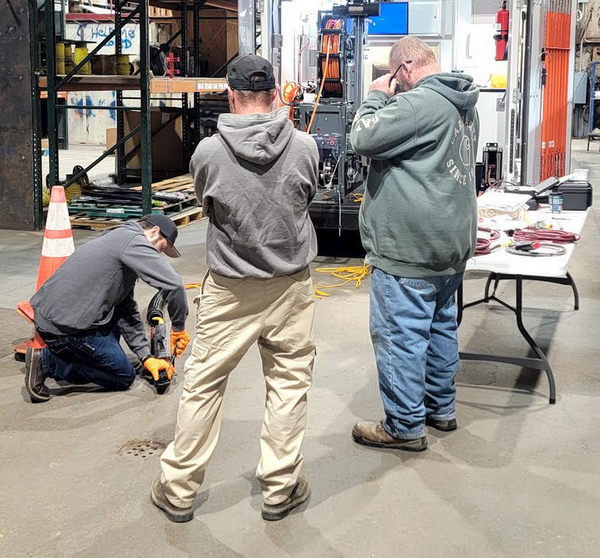
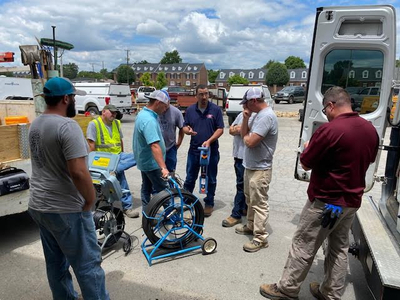
Mainline inspection systems are sophisticated, and proper training is essential for safe and effective use. Buyers should expect initial training when the system is delivered, and many top vendors include this at no extra cost. For instance, Locator Guys provides free on-site training with every purchase, only signing off once the technicians are comfortable with the equipment. They even offer a free follow-up training session annually to ensure the team stays proficient. Training typically covers setup and breakdown of the system, operation of the crawler and camera (driving techniques, avoiding cable hang-ups, using features like auto upright or home return), and basic maintenance (cleaning, swapping tires, calibrating the cable counter). If the buyer needs formal certification (like NASSCO’s PACP training for coding defects), some vendors assist or offer guidance for that as well. For example, every Aries system purchase includes hands-on training covering PACP workflows and equipment calibration, and they support crews through the certification process if needed. When evaluating a vendor, ask how much training is included, how many operators can be trained, and if additional training or refreshers are available later (and at what cost). Some companies have training centers or will train on-site at your location. Choose whatever ensures your staff will be confident and capable.
Software Updates & Technical Upgrades
With digital systems, software is a component of the product. Ensure that the vendor provides software/firmware updates for the camera system’s control unit or reporting software. Often, manufacturers release improvements (e.g., better camera firmware, new reporting features), and a good dealer will inform you and help implement updates. For example, Aries systems have upgradeable firmware to keep equipment current. It’s worth asking if updates are free and how they are delivered (USB, online download, or does the unit need to be sent in).
Parts and Accessories Availability
Another aspect of support is how easy it is to get consumables or accessories. Items like camera skids, wheels for crawlers, cables, and lamps will wear out or be needed for different pipe sizes. A responsive supplier will stock these or get them quickly. Check if the dealer carries spare parts and common accessories for your system. For instance, extra sonde transmitters, replacement camera lenses, or auxiliary lights. Locator Guys lists many such parts and accessories for brands like Ridgid, Hathorn, etc., indicating a deep inventory for their customers. Being able to overnight a part instead of waiting weeks from the factory can reduce downtime drastically.
What to Ask For
When engaging with a seller or manufacturer, a buyer should explicitly ask about:
Support hours and contact methods (Is support 24/7? Is it a dedicated line?).
Warranty terms (Duration, coverage details, process to file claims).
On-site repair vs. send-out (Can the dealer fix it locally, or does it go back to the factory? Who covers shipping costs for repairs?).
Loaner availability (If critical components fail, will a loaner be provided or rented? Any cost involved?).
Training specifics (Initial training length and location, any certification included, availability of future trainings).
Documentation (Are manuals and schematics provided? Often, having a digital manual can help troubleshoot in the field).
Future upgrades (Is the system modular or expandable? E.g., can you add a lateral launch module later, or a laser profiling attachment? Knowing upgrade paths can inform purchase decisions now).
Reputable vendors will often have this all spelled out and be eager to highlight their support. For instance, a company might proudly state that they are the factory-authorized repair facility and list the brands they service. This is a good sign. Conversely, if a seller is vague about support or pushes you to third-party service providers for repairs, that could be a red flag.
In summary, buying a mainline sewer inspection system is not just about the equipment specs. It’s about the partnership with whoever sells and supports it. High-quality support, training, and repair services will ensure your expensive system delivers value over the long run. When doing a mainline sewer camera comparison, include the support offerings as part of your evaluation matrix. The best vendors will keep your system running and your crew confident, which ultimately protects your investment and keeps your inspection program on track.
Used Mainline Equipment (Major Savings for Budget Buyers)
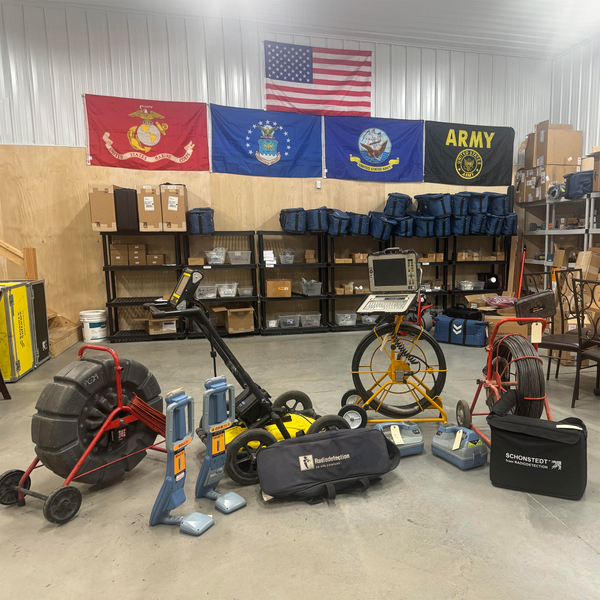
For many contractors and municipalities, used mainline sewer inspection equipment presents an attractive opportunity to stretch their budget. Like cars, high-end sewer camera systems can depreciate once put in service, but if well-maintained, they retain most of their functionality for years. Savvy buyers can pick up used or refurbished CCTV trucks, trailers, and cameras at a fraction of the new cost. In this section, we’ll discuss the benefits of used equipment, what’s often available, and tips for purchasing used gear, with examples from Locator Guys’ inventory.
Cost Savings: The most obvious benefit is price. As illustrated above, a new inspection trailer might be $250K, whereas a recently used one sold for $135K is a huge savings. Similarly, fully outfitted used CCTV trucks can sometimes be found in the $50K–$100K range, depending on age and condition, compared to $200K+ new. These savings can make the difference for a smaller entity to afford a mainline system at all. Used equipment often comes from larger municipalities upgrading their fleet, or contractors retiring excess units, meaning the gear may have plenty of life left. For instance, if a city rotates trucks every 7-10 years, a used unit might still have workable electronics and mechanicals that just need a bit of updating. By buying used, budget-conscious buyers (like small cities or up-and-coming contractors) can obtain a higher-tier system than they could otherwise afford. You might be able to get a well-built Aries truck second-hand for the price of a new basic trailer or portable system, immediately leveling up your capabilities.
Recent Listings: As of this guide, Locator Guys has advertised various used items. In addition to the pre-owned 8×16 Pathfinder trailer at $135,000 noted above, they also list used smaller equipment (utility locators, ground penetrating radar, etc.) on their site. While those aren’t mainline cameras, it shows that used inventory can include a range of tools. The used trailer example is particularly instructive: it was a turnkey CCTV setup including a generator, dual cameras (mainline and lateral launch), and even came with a short warranty (6 months) from the dealer. That warranty indicates the dealer likely did refurbishment or at least thorough testing. It’s common for reputable resellers to offer a limited warranty on used gear as a vote of confidence in its condition.
Locator Guys buys used locating and camera systems and takes trade-ins for new equipment. This means their inventory of used items can change frequently. At times, you might find a used sewer inspection truck in stock or a demo unit for sale. For example, while not on their website, industry auctions have seen items like a 2013 Aries mainline camera truck selling around $80,000, giving a ballpark of what used deals look like in the wild. If you’re interested in used equipment, it’s wise to contact dealers directly. Locator Guys encourages customers to call (513-922-7444) to inquire about recycling old equipment or purchasing used. Because used stock is limited (each unit is unique), a direct conversation can reveal what is currently available or coming soon.
When Evaluating Used Mainline Inspection Gear, Consider:
Hours of Use
Just like mileage on a car, many systems have hour meters (for crawler motors, generator engines, etc.). For example, a used generator with 600 hours (like in the trailer above) is relatively low and likely has a lot of service left. High hours on a crawler might indicate it’s closer to needing a rebuild.
Age of Technology
Camera technology advances, so know if the system is standard definition (analog) or HD. An older used system might have an analog camera and DVR; if you need HD or software integration, see if it’s upgradeable. Sometimes older trucks can be retrofitted with new cameras. Ask the dealer about upgrade paths.
Maintenance History
Ideally, buy from a source that can vouch for maintenance. A dealer-refurbished unit is best, as they typically will replace wear parts (e.g., new seals, new tires on the crawler, recalibrated cable counter, etc.). If buying directly from a previous owner (auction or private sale), try to get maintenance records.
Compatibility
Ensure that the used system comes with all necessary components and that they work together. It’s not uncommon for a used package to be missing a controller or have a cable reel but no display, so verify you’re getting the complete system. Also, check that any software keys or licenses (for reporting software) are transferable or included.
Support for Used
Ask if the manufacturer or dealer will still support that model. Some older systems might be discontinued, meaning parts could be scarce. However, many parts (connectors, lights, etc.) are standard or have aftermarket alternatives. Dealers like Locator Guys service a wide range of brands and even older models, so having their repair support for a used unit is a big plus.
Used vs. New Considerations
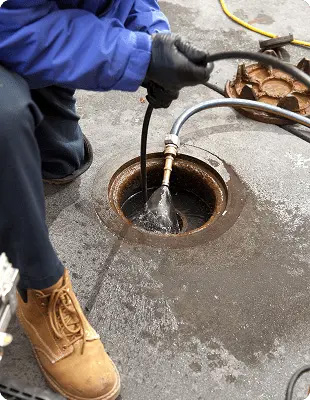
While the cost savings are enticing, consider life expectancy and feature needs. If you buy a 10-year-old used truck for 1/3 the price of new, it might serve you well for another 5-10 years, but beyond that, you may need to replace it or invest in upgrades. New equipment comes with full warranties (typically 1-2 years standard) and the latest tech, which might better serve a program with a long horizon. On the other hand, used equipment can often be had immediately (no manufacturing lead time) and is a good way to pilot an inspection program before committing to a new unit.
Major Savings Recap
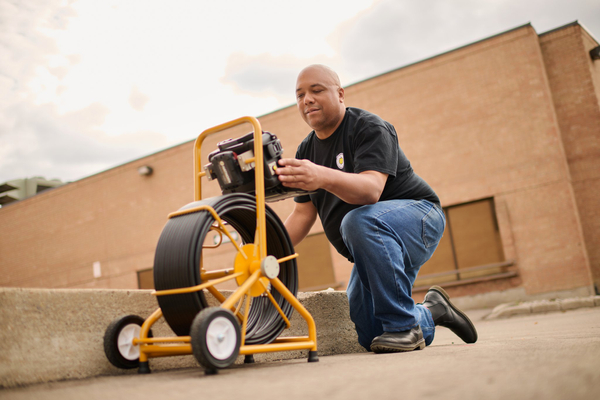
Used mainline equipment can yield major savings. The example of $115k savings on a trailer shows how buying pre-owned can put high-end capabilities within reach. For contractors, this could mean the difference between outfitting a crew with a crawler this year versus waiting to budget for new. For municipalities, a used purchase might be a smart way to add a second unit or replace an aging one without the full sticker shock. Always purchase from a trusted source, get as much information as possible, and if you’re unsure how to judge a system’s condition, involve a factory-trained technician in the evaluation. Many dealers will perform an inspection or certification of used equipment, essentially giving it a clean bill of health. In the case of Locator Guys, our willingness to warranty used sales for a period and provide training on them is a strong reassurance.
Finally, keep an eye on inventory listings or classifieds for used municipal sewer inspection equipment. The market isn’t vast, but good units do pop up. Locator Guys’ website and similar dealer sites often post used equipment pages, though, as we saw, items can go fast. Networking with other cities or contractors can also lead you to equipment that’s about to be decommissioned and available for sale. The bottom line: if you do your homework, buying used can equip you with a capable mainline inspection system at a dramatically reduced price, freeing up budget for other needs or allowing you to bid on projects that would otherwise be out of scope.