Price & Comparison Guides
When buying utility locating equipment, knowing what to buy for your application is essential. Whether you’re looking for a locator based on application or utility, Locator Guys can help you choose the right locator for your project. This helps you maximize your effectiveness and save money by buying the right product the first time.
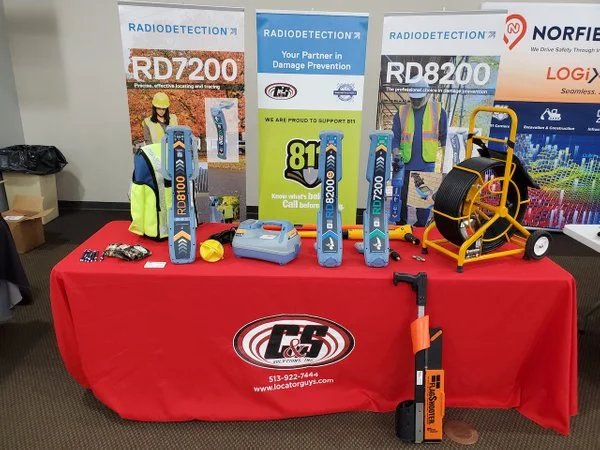
RD7200 vs RD8200 vs RD8200SG | Radiodetection Locator Guide
What You'll Learn
The key differences between the RD7200, RD8200, and RD8200SG and which jobs each model is designed for.
When advanced locating features like Current Direction, GPS logging, and RTK mapping make a difference in the field.
How to choose the right locator based on your workflow, jobsite conditions, and documentation needs.
Which accessories and complete system configurations help maximize locating accuracy and efficiency.
Who Is This For?
Contractors & Excavation Crews needing reliable, everyday utility locating before digging.
Municipal Utility Departments managing complex water, sewer, gas, electric, and telecom infrastructure.
Private Utility Locators working in congested environments that require advanced signal control and documentation.
Surveyors & GIS Teams creating survey-grade utility maps and asset records with RTK-enabled workflows.
Whether you're marking utilities before excavation or building GIS-ready utility records, this guide helps you compare the RD7200, RD8200, and RD8200SG to choose the right locator, accessories, and workflow for your specific application.
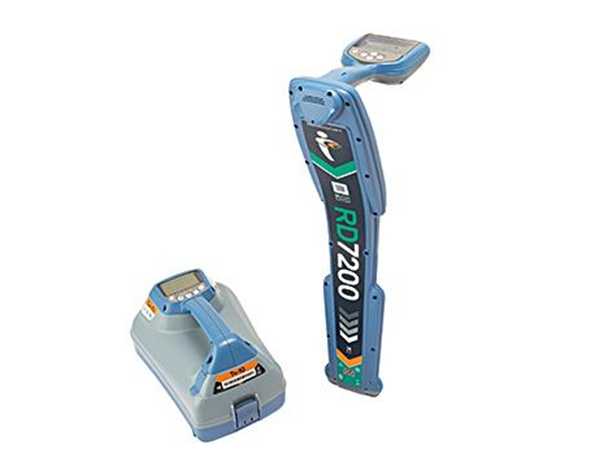
How to Locate a Camera Head: Sondes, Frequencies, and Choosing the Right Locator
What You'll Learn
How to locate sewer camera heads, blockages, and pipe defects using sondes and locators.
Which sonde frequency works best for different pipe materials and jobsite conditions.
The differences between built-in sondes, flushable transmitters, and rodder-mounted locating systems.
How to choose compatible cameras, sondes, and locators for accurate underground tracing.
Who Is This For?
Plumbing & Drain Contractors locating sewer lines and repair points.
Septic Companies tracing tanks and non-metallic pipes.
Municipal Utilities performing inspections and infrastructure maintenance.
Excavation & Utility Contractors preventing strikes and verifying underground assets.
Learn how to select the right sewer camera, sonde, frequency, and locator combination to accurately trace underground pipes, locate defects, and reduce costly excavation mistakes.
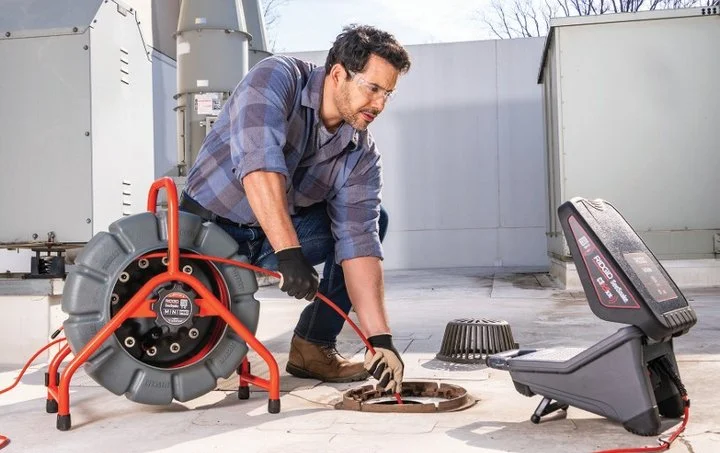
Best Utility Locating Equipment for Contractors Buyer's Guide
What You’ll Learn
How to prioritize site variables like soil and utility material over brand names to avoid costly purchasing mistakes.
How to select specialized tools, such as GPR for plastic pipes or multi-frequency locators for telecom cables, based on the specific utility.
Strategies to overcome urban electrical interference or provide high-output power for long-distance rural locates.
Critical field methods, including active versus passive modes and proper depth interpretation, to ensure accuracy and eliminate false positives.
Who Is This For?
Contractors & Excavators: Specifically those performing pre-excavation scans and trenching where ease of use and reliability are key to reducing strikes.
Municipalities: Water, sewer, and gas departments that need deep detection, long-distance tracing, and high-accuracy GPS/RTK mapping for asset management.
Private Utility Locators: Professionals handling complex, unknown utilities outside of public right-of-ways (811 mark verification).
Price Snapshot
Under $500 Basic Wands: Best for very occasional, shallow locates with limited features.
$1,000–$3,000 Contractor-Grade: Everyday private locating and "turn-on-and-go" site work (e.g., Schonstedt, Leica).
$3,000–$6,000 Professional Mid-Tier: Versatile multi-utility work with some mapping capability (e.g., Vivax-Metrotech).
$4,500–$7,000 Specialized Electric: Focused electrical utility work, tracing energized cables and finding ground faults.
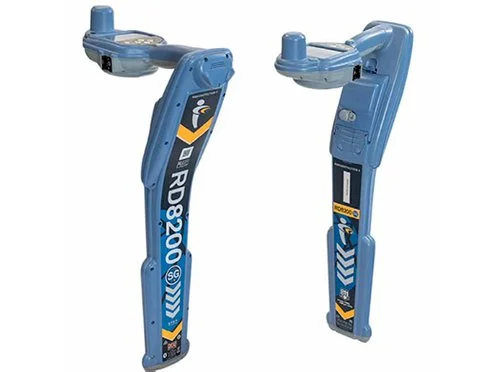
$6,000–$10,000 High-End / Survey Grade: High-precision, deep locating with integrated GPS/RTK mapping (e.g., Radiodetection RD8200).
GPR System Price & Comparison Guide
What You’ll Learn
How GPR works for utility, concrete, and forensic applications
Critical differences between GPR and EM locating methods
Price ranges from entry-level to industrial systems
Brand comparisons (Radiodetection, GSSI, MALA)
Best systems for specific applications (Concrete vs. Utility)
ROI, safety benefits, and long-term value
Who This Guide Is For
Private Utility Locators & SUE Engineers
Concrete Scanning & Cutting Contractors
Archaeologists & Forensic Investigators
Geotechnical & Environmental Surveyors
Price Snapshot
Ground Penetrating Radar systems range from:
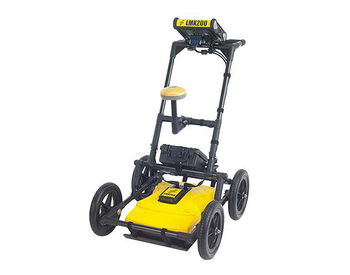
$10,000–$20,000 Entry-Level GPR: Basic single-frequency units (e.g., LMX100). Best for "locate & mark" without complex data export.
$20,000–$30,000 Professional-Grade: Flagship workhorses (e.g., LMX200, UtilityScan). Includes GPS, 3D mapping, and data post-processing.
$30,000–$100,000+ Industrial/Advanced: Multi-antenna arrays and ultra-low frequency systems for high-speed highway or deep geophysical mapping.
Utility GPS Mapping System Price & Comparison Guide
What You’ll Learn
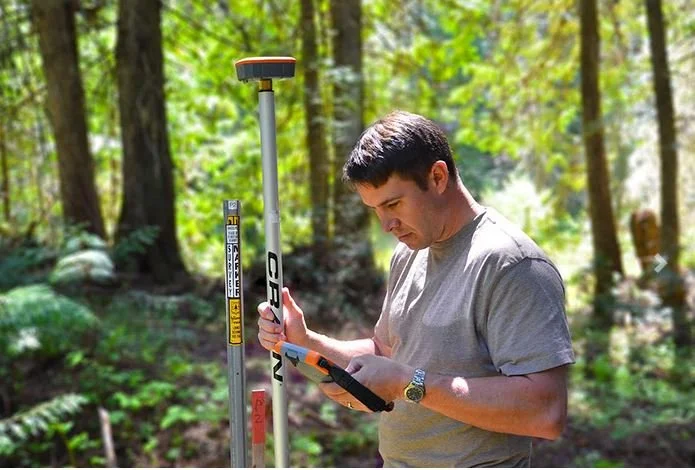
How GPS mapping systems work with locators & GPR
GPS vs Traditional Locating Methods
Price Ranges Based on Accuracy Levels
Brand Comparisons (Radiodetection, Juniper Systems)
Integration With GIS, Software, & Data Workflows
Efficiency, Accuracy, & Documentation Benefits
Who This Guide Is For
Utility Companies & Municipal Agencies
Contractors & Construction Firms
Surveyors & Engineers
Facility & Infrastructure Managers
Price Snapshot
Utility GPS systems range from:
<$1,000 Entry-Level GPS (Low Accuracy, Not Recommended)
$2,000–$3,000 Mapping-Grade (Sub-Meter)
$3,000–$6,000 Sub-Foot / Decimeter Accuracy
$6,000–$10,000+ Survey-Grade (Centimeter Accuracy)
Mainline Sewer Inspection System Price & Comparison Guide
What You’ll Learn
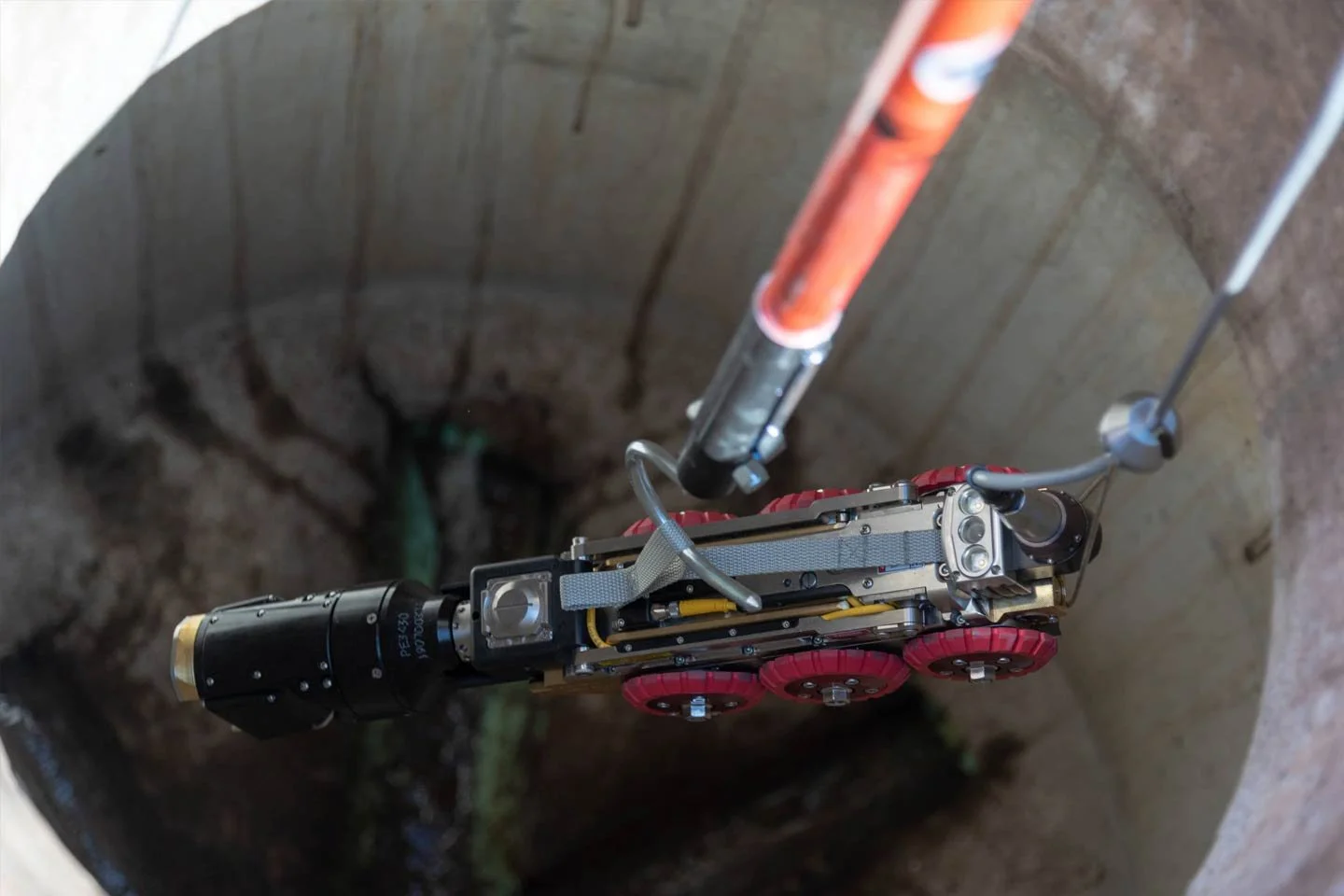
Truck vs Trailer vs Portable systems
Real pricing examples from Locator Guys inventory
Brand comparisons: Aries, Hathorn, RIDGID, Insight Vision, Electric Eel, Milwaukee
Municipal vs Contractor buying strategy
Used mainline equipment savings
Training, warranty, and repair considerations
Who This Guide Is For
Municipal public works departments
Utility authorities
Sewer inspection contractors
Infrastructure engineers
Price Snapshot
Mainline systems range from:
~$10,000 portable systems
$50,000–$200,000 trailer builds
$150,000–$300,000+ truck-mounted units.
Sewer Camera Price & Comparison Guide
What You’ll Learn
Entry-level vs mid-tier vs HD push cameras
1080p vs VGA video differences
Cable length, head diameter & IP rating breakdowns
Brand-by-brand spec comparison table
Best camera by use case (Plumbers, Contractors, Municipalities)
Financing & support considerations
Who This Guide Is For
Plumbing contractors
Drain cleaning companies
Small municipalities
Inspection startups
Growing trenchless contractors
Price Snapshot
$4K–$7K entry push cameras
$8K–$12K mid-tier systems
$15K+ HD push systems
$50K–$100K+ mainline crawler systems
This guide answers 90% of buyer questions before you call.
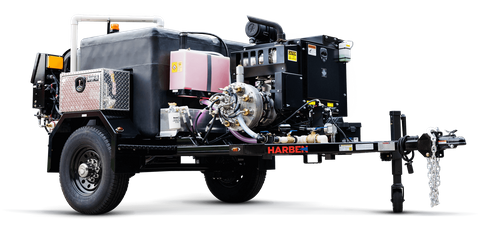
Trailer Jetter Buyer’s Guide
Choosing the right trailer jetter comes down to more than just PSI. It’s about matching flow (GPM), tank size, and performance to your jobs. Whether you’re handling residential drains or larger sewer lines, the right setup makes all the difference.
Magnetic Locator Price & Comparison Guide
What You’ll Learn
What affects magnetic locator pricing
Detection depth comparisons (up to ~18 ft)
Coil size & sensitivity differences
IP rating & durability factors
Utility vs Surveyor vs Construction recommendations
FAQ: Are expensive locators more accurate? How deep can they detect?
Who This Guide Is For
Utility locators
Public works departments
Land surveyors
Excavation contractors
Construction crews
Price Snapshot
~$1,169 – $1,473 for Schonstedt models
7-year manufacturer warranty included
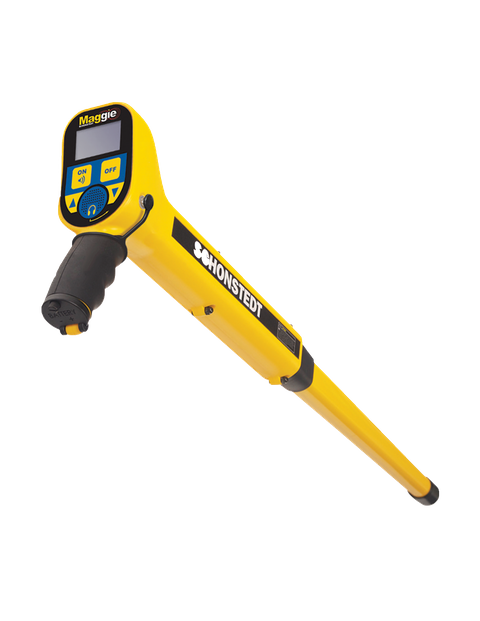
If you're comparing GA-52Cx vs GA-92XTd vs Maggie, this page simplifies the decision.